

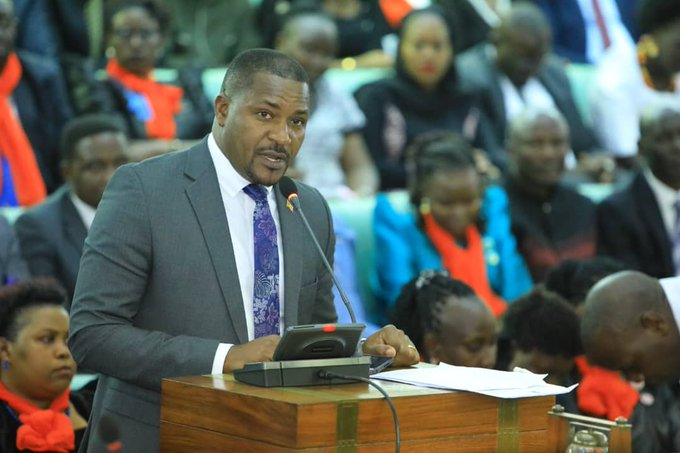
KAMPALA, Uganda — Butembe County MP David Livingstone Zijan has sharply criticised the proposed Protection of Sovereignty Bill, 2026, warning that its passage in the current form could undermine Uganda’s national interests rather than protect them.
Zijan’s remarks came during parliamentary scrutiny of the Bill, where concerns have been raised by lawmakers, economists, and civil society actors over its potential economic and legal implications.
“I think that passing this law would be the greatest gift to the enemies of this country,” Zijan said. “If the bill passes, our enemies would not need to do anything. Actually, our enemies need to fund this bill… I think that whoever thought of it and drafted it is really the threat to our sovereignty.”
His comments follow a warning by the Bank of Uganda Governor Michael Atingi-Ego, who told Parliament that the Bill risks weakening the Uganda shilling, reducing foreign inflows, and undermining the country’s ability to service public debt.
“We are going to have a substantial depreciation of the currency… we won’t have any excess of financial flows… to build reserves,” Atingi-Ego said, cautioning that reduced inflows could trigger an economic crisis.
The Governor added: “Chairman, a country without reserves is not sovereign… The moment you tamper with these inflows, we risk running down our reserves, and that is economic disaster for a country.”
Beyond economic concerns, critics say the Bill introduces sweeping provisions that could affect multiple sectors. Under the proposed law, Ugandan professionals such as lawyers representing non-resident clients could be classified as “agents of a foreigner,” raising alarm within the legal fraternity.
Kampala Lord Mayor Erias Lukwago warned that the legislation could have far-reaching constitutional implications. “The Sovereignty Bill criminalises the legal profession itself… Parliament will have committed treason — within the meaning of Article 3 of the Constitution,” Lukwago said.
Policy analysts have also raised red flags. The Centre for Policy Analysis cautioned that the Bill contains vague definitions and harsh penalties of up to 20 years, which could lead to self-censorship and restrict legitimate civic and economic activities.
The think tank warned that the broad definition of “agent of a foreigner” could inadvertently capture civil society organisations, academic institutions, private sector actors, and development partners engaged in lawful work.
Lawmakers have also criticised the process behind the Bill, noting that key institutions were not adequately consulted before it was tabled in Parliament.
As debate intensifies, Zijan’s remarks reflect growing unease within Parliament over the potential consequences of the legislation.
Parliament is expected to continue scrutinising the Bill amid increasing calls for amendments to address concerns around economic stability, constitutional rights, and Uganda’s investment climate.