

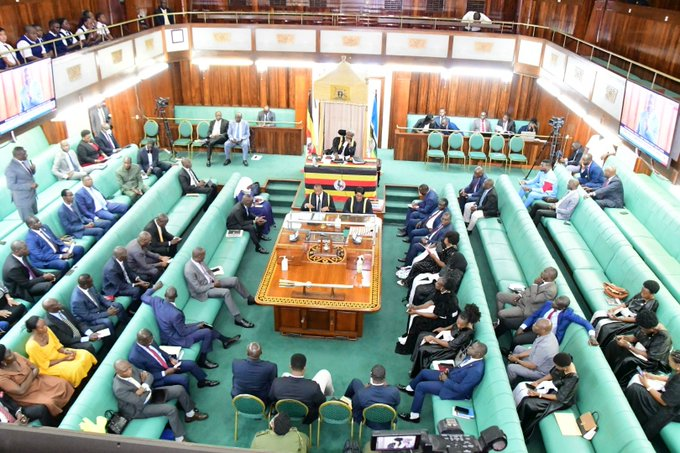
KAMPALA — Uganda’s Parliament is facing growing criticism from religious leaders, lawyers, and opposition figures over the proposed Protection of Sovereignty Bill 2026, a law that seeks to regulate foreign funding and activities of individuals and organisations acting as “foreign agents.”
The Bill, tabled on April 13 by Internal Affairs Minister Kahinda Otafiire, requires individuals or entities receiving foreign funding above $106,000 (about UGX 400 million) annually to register and obtain approval from authorities before accessing such funds.
Violations of the proposed law carry penalties of up to UGX 2 billion in fines or 20 years in prison.
However, the Bill has sparked widespread concern, with critics arguing that it could shrink civic space, restrict freedom of expression, and negatively affect remittances, business financing, and civil society operations.
During ongoing parliamentary committee scrutiny, Attorney General Kiryowa Kiwanuka defended the proposal, insisting it is aimed at strengthening national security and regulating foreign influence.
He reportedly argued in favour of the financial threshold requirement, saying it was necessary to monitor large foreign transactions involving agents operating in the country.
Civil society actors and legal experts, however, have pushed back strongly against the Bill, describing it as unconstitutional and economically disruptive.
Lawyer Phillip Karugaba, speaking on public engagement around the Bill, urged Ugandans to closely follow the legislative process.
“Citizens should pay attention to what is happening in Parliament and take part in the consultation process by submitting their views,” he said in a public briefing.
Religious leaders have also weighed in, with Rev. Willy Kintu Muhanga criticising the Bill in strong terms.
“That Bill is barbaric. It is ungodly. There is no evil in having a friend from abroad, and there is nothing wrong with that friend offering support,” he said.
He added that Parliament should instead focus on corruption, which he said continues to drain public resources.
Legal analysts have also warned that provisions allowing the state to pre-approve foreign transactions could amount to prior restraint on citizens and businesses.
One legal commentator argued that the law assumes wrongdoing before it occurs and could place undue pressure on financial institutions required to monitor and block transactions not cleared by government.
Parliamentary committees are currently conducting consultations, with the public input period set to close amid heightened debate over the Bill’s implications.
Supporters of the legislation, however, maintain that it is necessary to safeguard Uganda’s sovereignty and prevent undue external influence in domestic affairs.
The Bill now moves through further scrutiny in Parliament, where amendments are expected as debate intensifies over its scope and constitutional implications.