

KAMPALA — Uganda’s opposition in the 12th Parliament has unveiled a five-year legislative agenda proposing reforms to the justice system, public order laws, presidential administration and management of public resources.
The agenda, covering the 2026/27 to 2030/31 financial years, was prepared by the Office of the Leader of the Opposition and outlines areas the opposition intends to prioritise through legislation and parliamentary oversight.
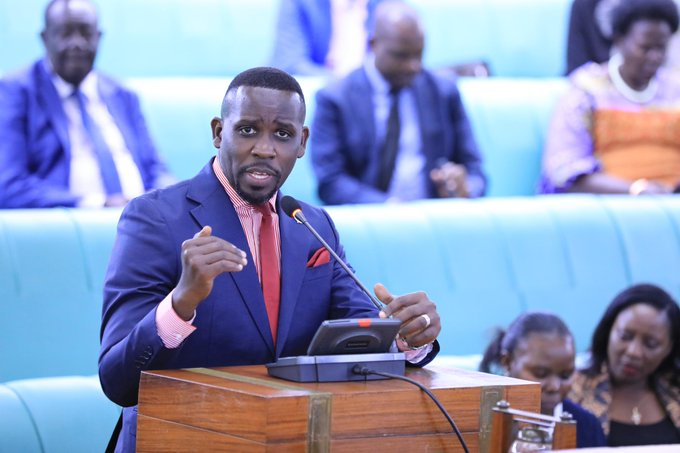
Leader of the Opposition Joel Ssenyonyi said Parliament must go beyond approving proposals presented by the Executive and instead subject government policies, programmes and expenditure to rigorous scrutiny.
“Parliament was never designed as a passage point for Government proposals,” Ssenyonyi said, arguing that Parliament has a constitutional responsibility to scrutinise government policies, approve expenditure and demand accountability for public resources.
He described an effective opposition as an important safeguard against the abuse of public power.
Opposition seeks overhaul of public order laws
A significant part of the agenda targets laws governing public meetings, demonstrations and assemblies.
The opposition proposes harmonising provisions in the Penal Code Act, Police Act and Public Order Management Act and consolidating them into a single legal framework.
It argues that conflicting definitions of an “unlawful assembly” have created uncertainty in the enforcement of public order laws.
The proposed reforms would also seek to prevent arrests based solely on an officer’s perception of a situation rather than the actual conduct of individuals involved.
The opposition wants the law to clearly define an “authorised person” and require authorities to formally acknowledge notices submitted by organisers of public meetings.
According to the opposition, the reforms would strengthen the constitutional protections for freedom of assembly, demonstration and petition provided under Article 29 of the Constitution.
Criminal justice reforms
The agenda also proposes several measures aimed at reducing delays and case backlogs in the criminal justice system.
The opposition wants Parliament to abolish committal proceedings for capital offences, describing the procedure as an outdated colonial-era practice.
Under the proposal, suspects facing capital charges would instead be committed directly to the High Court.
The opposition also wants magistrates’ courts to have jurisdiction over all criminal offences except treason and terrorism.
It further proposes that the High Court operate continuously rather than through periodic sessions, arguing that the increase in the number of judges should enable the Judiciary to expand its capacity to hear cases.
Other proposed reforms include legislation on digital justice, pre-trial disclosure and plea bargaining, as well as a clearer career structure for magistrates.
Courts to determine cases involving mentally incapacitated accused
The opposition is also seeking changes to the legal framework governing accused persons found to be mentally incapacitated.
It proposes transferring decision-making powers in such cases from the responsible minister to the courts.
Under the proposed system, courts would be required to obtain expert mental health assessments before making decisions, set limits on detention and use terminology consistent with the Mental Health Act.
The opposition cited cases involving prolonged detention, including one in which an accused person reportedly spent 14 years in detention.
Presidential transition law proposed
The opposition’s agenda also targets the administration of the presidency and the transition of power between governments.
It proposes a Presidential Transition Bill that would establish a formal legal framework for the transfer of power between administrations.
Under the proposed arrangement, an incoming administration would receive government-funded office space, staff and administrative support during the transition period.
The opposition also wants the number of presidential advisers limited through amendments to the Public Service Act, with their responsibilities organised around specific thematic offices.
Tighter controls on State House spending
The agenda calls for greater controls over State House supplementary budgets and penalties for spending beyond approved allocations.
The opposition also proposes establishing a legal framework and annual ceiling for presidential donations, with clear criteria for beneficiaries and mechanisms for auditing the funds.
It argues that such measures would improve fiscal discipline and strengthen accountability for public resources.
Refugee services, disaster preparedness
The five-year agenda extends to local government, refugee management and disaster response.
The opposition wants refugee services incorporated into district local government budgets and planning, arguing that host communities and refugees should be better integrated into local development planning.
It is also proposing a Disaster Risk Management Bill that would criminalise the diversion of relief funds, establish early-warning systems and require local governments to incorporate disaster preparedness into their development plans.
The opposition says its legislative priorities are aimed at strengthening constitutionalism, improving parliamentary oversight, reducing case backlogs and prolonged pre-trial detention, promoting fiscal discipline and increasing citizen participation in governance.
The proposals form part of the opposition’s broader legislative strategy for the 12th Parliament and will have to undergo the parliamentary process before any of the proposed measures can become law.