

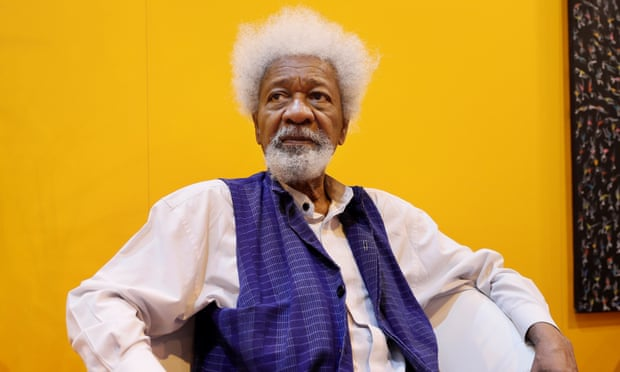
Nigerian Nobel Prize-winning playwright and political activist Wole Soyinka has welcomed a recent United Nations resolution describing transatlantic slavery as “the gravest crime against humanity,” while urging the world to move beyond symbolism toward deeper historical accountability and education.
Speaking in an interview with the BBC’s Chiamaka Enendu, Soyinka said the resolution was an important moral acknowledgement of one of history’s most brutal systems of exploitation, but stressed that recognition alone is not enough to address its long-lasting consequences.
The UN declaration, adopted earlier this week, formally characterises transatlantic slavery as a crime against humanity, reinforcing decades of advocacy by historians, activists, and governments seeking global acknowledgment of its scale and impact.
Soyinka, one of Africa’s most prominent literary and political voices, said the language used in the resolution reflects a long-overdue global consensus on the severity of the slave trade, which forcibly transported millions of Africans across the Atlantic between the 16th and 19th centuries.
However, he cautioned against what he described as “ceremonial recognition,” arguing that meaningful change requires sustained educational reform, reparative dialogue, and a deeper engagement with the historical injustices that continue to shape global inequality.
Historians estimate that the transatlantic slave trade resulted in the forced displacement of more than 12 million Africans, with profound demographic, economic, and cultural consequences across the continent and its diaspora.
Soyinka has consistently used his platform to advocate for justice, democracy, and historical truth, often challenging both African and Western governments on issues of governance, memory, and accountability.
The Nobel laureate’s comments come amid renewed global debates over colonial history, reparations, and the role of international institutions in addressing historical injustices.
While the UN resolution has been widely welcomed by human rights advocates, some critics argue that it must be followed by concrete policy measures to address the enduring economic and social disparities linked to slavery’s legacy.
Soyinka’s intervention adds to growing calls for the resolution to serve as a starting point for broader global reflection rather than a symbolic endpoint.