

KAMPALA — Buganda Kingdom Katikkiro Charles Peter Mayiga has ignited nationwide controversy following remarks in which he described the Uganda Martyrs as “traitors” from the perspective of the Buganda royal court during the reign of Kabaka Mwanga II.
The comments, made during an interview with Daily Monitor ahead of Uganda Martyrs Day commemorations, have triggered strong reactions from religious leaders, historians, and members of the public, with opinions sharply divided over how the historical events should be interpreted.
Mayiga reportedly emphasized the importance of viewing history through multiple lenses, arguing that while the Uganda Martyrs are today revered as heroes of the Christian faith, the Kingdom administration at the time may have regarded them as individuals undermining royal authority.
He noted that some of the young Christian converts openly defied directives from Kabaka Mwanga II and increasingly aligned themselves with teachings introduced by European missionaries, a development he said created tension within the royal court and the wider kingdom.
The remarks quickly drew backlash on social media, where some Christian faithful accused the Katikkiro of disrespecting the memory of the martyrs and diminishing their sacrifice.
“For Christians, this is not just history—it is sacred,” one user posted, reflecting the emotional response that followed the interview’s circulation.
However, other commentators defended Mayiga, saying his statement reflected the political and historical realities of Buganda in the late 19th century rather than an attempt to undermine religious belief.
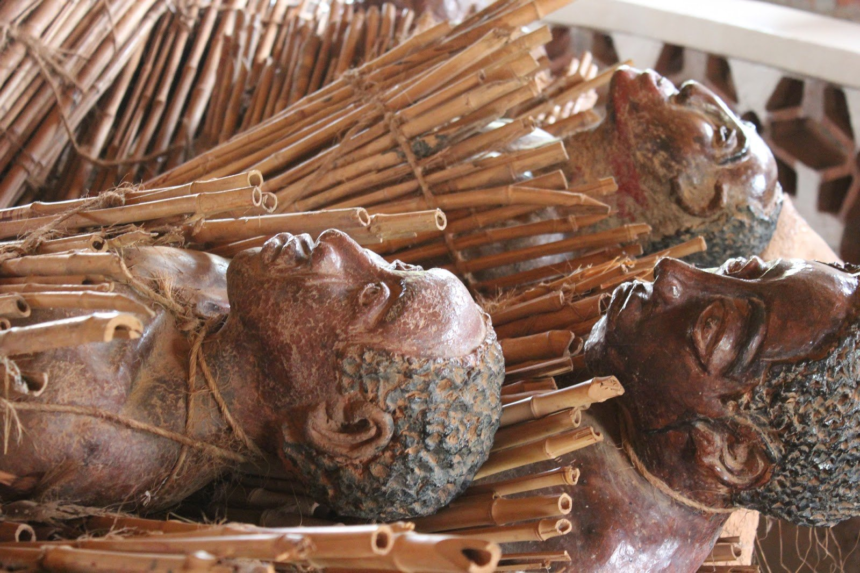
The Uganda Martyrs—45 Catholic and Anglican converts—were executed between 1885 and 1887 after refusing to renounce Christianity under Kabaka Mwanga II’s rule. Their deaths later became a defining moment in African Christianity and significantly contributed to the spread of the faith in Uganda and across the region.
Each year, millions of pilgrims travel to the Namugongo Martyrs Shrine to commemorate their sacrifice, making Uganda Martyrs Day one of the largest religious gatherings on the continent.
Historians note that the events surrounding the martyrs were shaped not only by religious conflict but also by shifting political dynamics within the Buganda Kingdom, including rising influence from European missionaries and Arab traders.
At the time, competing religious groups were gaining influence in the royal court, raising concerns among kingdom authorities about loyalty, foreign influence, and the stability of the state.
Some scholars argue that Kabaka Mwanga II viewed Christian converts as a political threat, believing their allegiance to new religious teachings could undermine royal authority.
Mayiga’s comments appear to draw from this historical interpretation—suggesting that while the martyrs are celebrated as saints today, they may have been viewed as rebellious subjects within their political context.
Despite the public uproar, no major church institution had issued an official response by press time.
The controversy has nonetheless added renewed debate to this year’s Martyrs Day commemorations, an event traditionally centered on prayer, pilgrimage, and remembrance.
As the nation reflects on the legacy of the Uganda Martyrs, the remarks have once again highlighted the tension between religious reverence and historical interpretation in Uganda’s public discourse.
More than a century later, the Uganda Martyrs remain among the most influential figures in the country’s history—honoured by believers, studied by historians, and debated in national memory.