

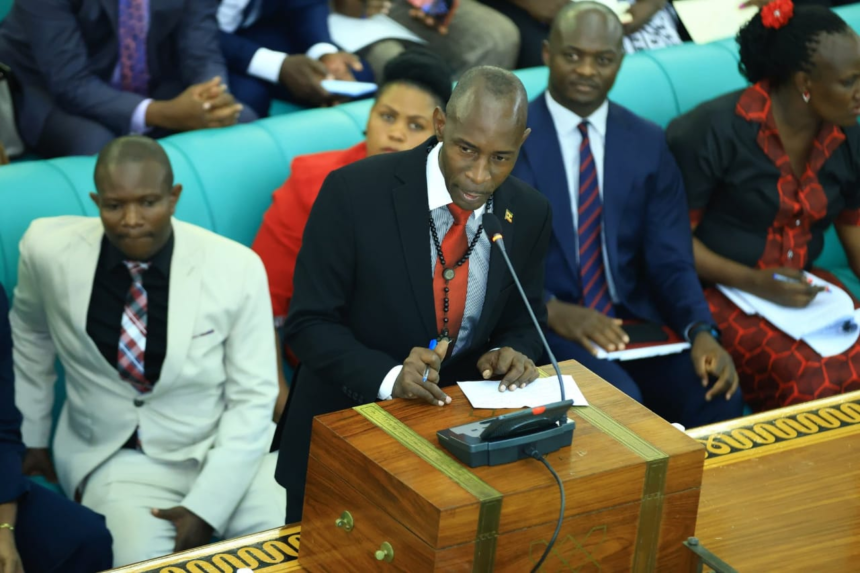
KAMPALA — MP Paulson Luttamaguzi Ssemakula has called for a comprehensive overhaul of Uganda’s building regulations, arguing that the current framework is too costly, rigid, and misaligned with the country’s development needs.
Luttamaguzi said the law places heavy financial and administrative burdens on ordinary Ugandans seeking to undertake housing and construction projects, particularly in fast-growing urban areas.
“The Building Control Act must be urgently revisited. It is too foreign in design, too political in implementation, and does not support Ugandans as it should,” he said.
Background of the law
The Building Control Act (Uganda) was enacted by Parliament in 2013 and assented to by President Yoweri Kaguta Museveni on October 2, 2013. It was later fully operationalised in 2018 after a delayed commencement period.
The law was introduced to regulate Uganda’s construction sector, improve building safety standards, and reduce incidents of unsafe structures and building collapses. It also established the Building Control Board to oversee approvals, inspections, and enforcement across the country.
Key requirements under the Act include mandatory approval of building plans before construction, use of certified professionals such as architects and engineers, periodic site inspections, and issuance of occupancy permits prior to use of any completed structure.
Criticism and concerns
Despite its objectives, the law has faced sustained criticism from developers and lawmakers who argue that it has increased construction costs and slowed down housing delivery, particularly in rapidly expanding cities such as Kampala.
Luttamaguzi said the enforcement process disproportionately affects low- and middle-income earners, many of whom struggle to meet technical and financial requirements.
He also pointed to long approval timelines and inspection delays, saying they have discouraged investment and slowed down housing development projects.
Reform push
The lawmaker is now urging the Parliament of Uganda to initiate broad consultations with engineers, architects, developers, and local authorities to redesign the framework in a way that balances safety with affordability.
He emphasised that Uganda needs a regulatory system that maintains construction standards while supporting economic growth and access to decent housing.
The renewed push is expected to intensify debate in Parliament over possible amendments to the Act, as pressure grows to align building regulations with the country’s rapid urbanisation and development priorities.