


Kampala, Uganda — A deepening fuel crisis continues to disrupt transport and livelihoods across Uganda, with motorists and boda-boda riders grappling with rising prices, long queues, and intermittent stockouts at fuel stations.
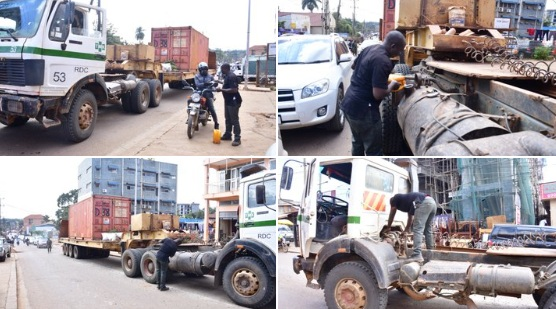
On Saturday afternoon, traffic along Ntinda–Kisaasi Road in Kampala ground to a halt after a truck stalled just metres from a filling station. Eyewitnesses reported that the driver resorted to fetching fuel using a boda-boda motorcycle and a small jerrycan to get the vehicle moving again—an incident that has come to symbolize the daily struggles motorists now face.
Across the city and in upcountry districts, similar scenes are playing out. In Kabale, dozens of boda-boda riders crowded fuel stations, scrambling to secure petrol amid dwindling supplies. At some outlets, petrol prices have surged to about Shs5,800 per litre, while diesel is selling at around Shs5,349, reflecting a sharp increase over recent weeks.
Despite the visible strain, the Ministry of Energy and Mineral Development, working alongside the Uganda National Oil Company, maintains that the country is not experiencing a national fuel shortage. In a recent statement, officials said Uganda’s fuel reserves remain “stable, sufficient, and well-managed.”
According to government figures, as of April 20, the country held over 70 million litres of petrol and 43 million litres of diesel—enough to sustain national consumption for several days. Authorities attribute the empty pumps and long queues to distribution challenges among oil marketing companies rather than a lack of supply.
However, the situation on the ground tells a different story. In Kampala and towns such as Mbarara and Kasese, transport operators say they are increasingly unable to operate efficiently. Many boda-boda riders report reduced daily earnings as fuel costs rise, forcing them to either hike fares—often resisted by passengers—or adopt cost-cutting measures.
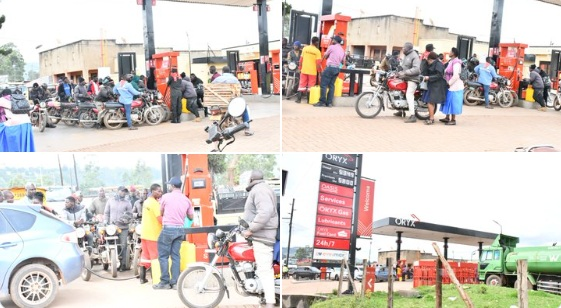
Some riders in Kabale have begun modifying their motorcycles to reduce fuel consumption, including limiting engine intake. Mechanics warn that such adjustments may lower fuel use temporarily but could cause long-term engine damage.
The crisis is linked to a combination of global and local factors, including supply chain disruptions, geopolitical tensions affecting oil routes, and possible hoarding by some dealers. The government has warned against panic buying, cautioning that it could worsen shortages at retail stations.
Officials say additional fuel shipments are expected between May and June, which should ease supply pressures. Meanwhile, authorities have pledged to monitor pricing and investigate irregularities in distribution. For now, commuters and transport operators remain caught in uncertainty, with many questioning the gap between official assurances and their daily experiences at the pump.