

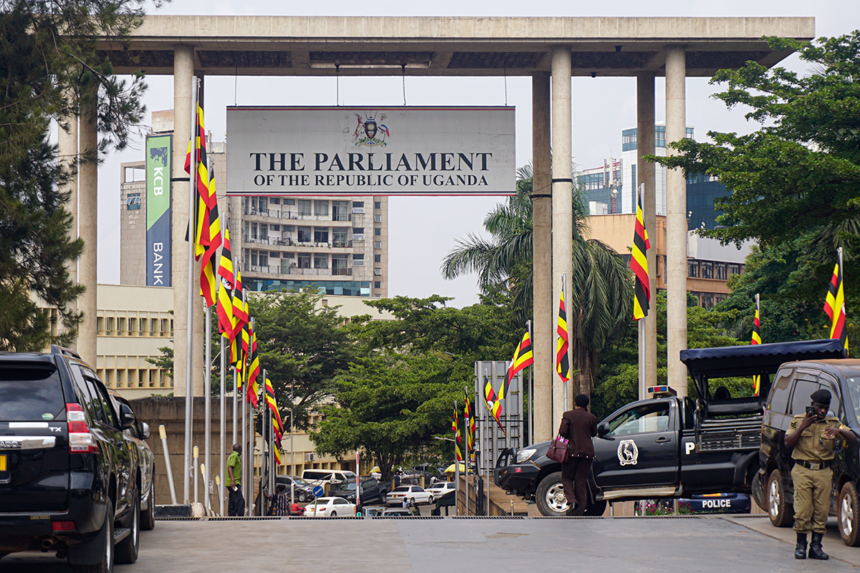
KAMPALA — Former Members of Parliament are pushing for legal reforms to provide them with a monthly welfare allowance of UGX 15 million, arguing that the current pension system is inadequate to meet the rising cost of living after leaving public office.
The proposal was presented by the Association of Parliamentary Alumni of Uganda (PAU) during its recent general assembly, where members called for improved welfare benefits, stronger institutional recognition and additional protections for retired legislators.
According to the association, many former MPs face financial challenges after completing their terms, with rising inflation and increased costs of healthcare, education and other basic needs placing pressure on their retirement incomes.
The alumni also cited what they described as unmet government commitments to retired legislators. They referred to a pledge reportedly made by President Yoweri Museveni in 2016 to provide former MPs with a one-off welfare package of UGX 100 million, which they say was never fully implemented.
The association further pointed to recent remarks by Speaker of Parliament Anita Among, who pledged to lobby for additional funding to strengthen the Parliamentary Pension Scheme, particularly for older retired legislators.
Supporters of the proposal argue that legislators dedicate years to public service and should receive retirement benefits that reflect their contribution to national development.
“When you are out there in the public, the expectation is that a parliamentary pensioner’s earnings should be meaningful. The cost of school fees and basic upkeep has skyrocketed, yet the current payouts fail to cover even basic family obligations,” one former legislator said during the discussions.
However, the proposal has generated significant public debate, with critics questioning whether the government can sustainably finance additional benefits for former legislators at a time of competing national priorities.
Some civil society groups and economic commentators argue that Uganda continues to face pressing challenges, including poverty, unemployment and limited funding for essential public services such as healthcare, education and agriculture. They contend that any increase in retirement benefits for former leaders should be weighed against broader public spending needs.
Others note that serving Members of Parliament already receive salaries, allowances and other employment benefits during their tenure, and argue that any post-service welfare package should be carefully considered within the country’s fiscal framework.
As discussions continue, it remains unclear whether the proposed reforms will be tabled before Parliament or receive government backing. The debate has nevertheless reignited broader conversations about public expenditure, retirement benefits for elected leaders and the sustainability of Uganda’s pension obligations.