

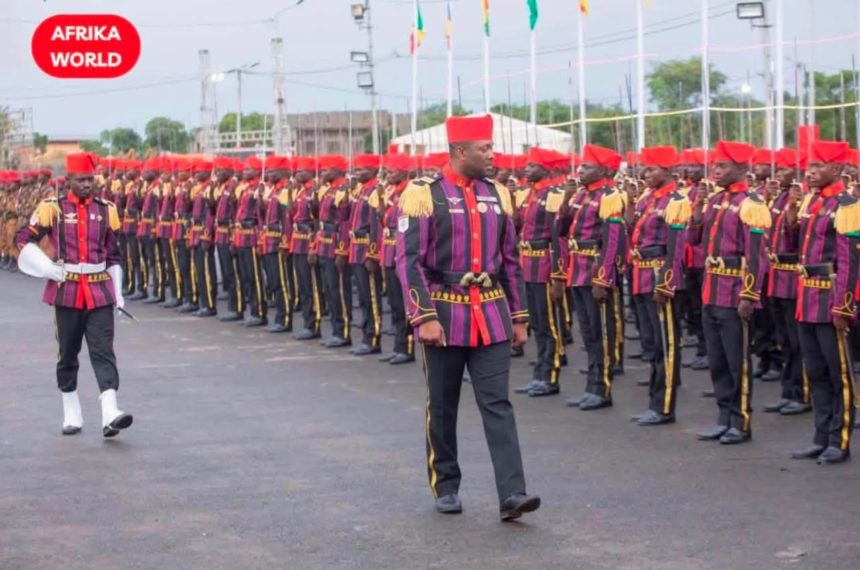
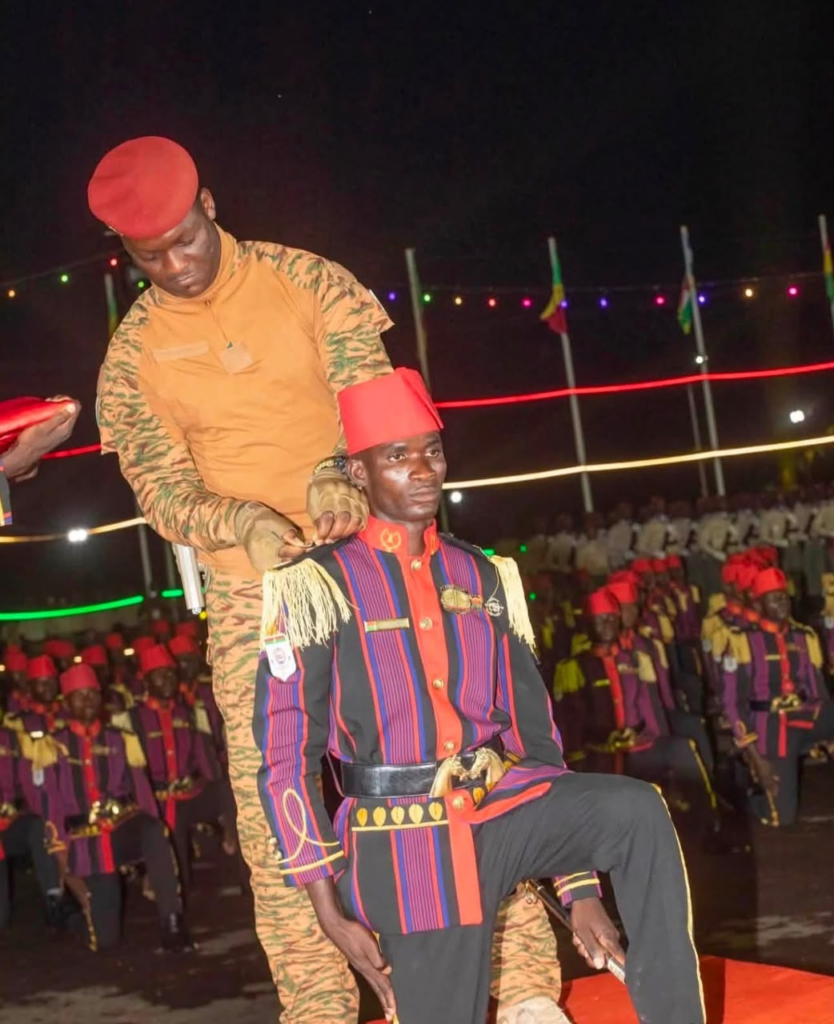
OUAGADOUGOU — Burkina Faso has unveiled new military cadet uniforms made from Faso Dan Fani, the country’s iconic handwoven textile, in a move aimed at promoting local craftsmanship, preserving cultural heritage and strengthening national identity.
The initiative, announced under the leadership of President Ibrahim Traoré, reflects the government’s broader push to encourage the use of locally produced materials and reduce dependence on imported goods.
The new uniforms are crafted from Faso Dan Fani, a traditional woven fabric that has become a symbol of Burkinabè pride and economic empowerment. The textile draws inspiration from traditional weaving practices, including the Cencengu textile heritage of the Gulmu region in eastern Burkina Faso.
The adoption of the fabric for military cadet uniforms places cultural heritage at the centre of national institutions, highlighting the country’s efforts to connect modern state identity with indigenous traditions.
Faso Dan Fani, which means “woven fabric of the homeland” in the Dioula language, gained national prominence during the 1980s under the leadership of former President Thomas Sankara, who promoted it as a symbol of self-reliance and encouraged citizens to wear locally produced clothing.
The latest move by Burkina Faso’s military-led government aligns with President Traoré’s emphasis on economic sovereignty, local production and the revival of national industries.
Supporters of the initiative say using Faso Dan Fani in official uniforms creates opportunities for local weavers, textile producers and artisans while preserving skills passed down through generations.
The textile industry remains an important part of Burkina Faso’s cultural economy, with thousands of artisans involved in cotton production, spinning, dyeing and weaving. The country is one of Africa’s major cotton producers, but has historically exported much of its cotton as raw material rather than processed products.
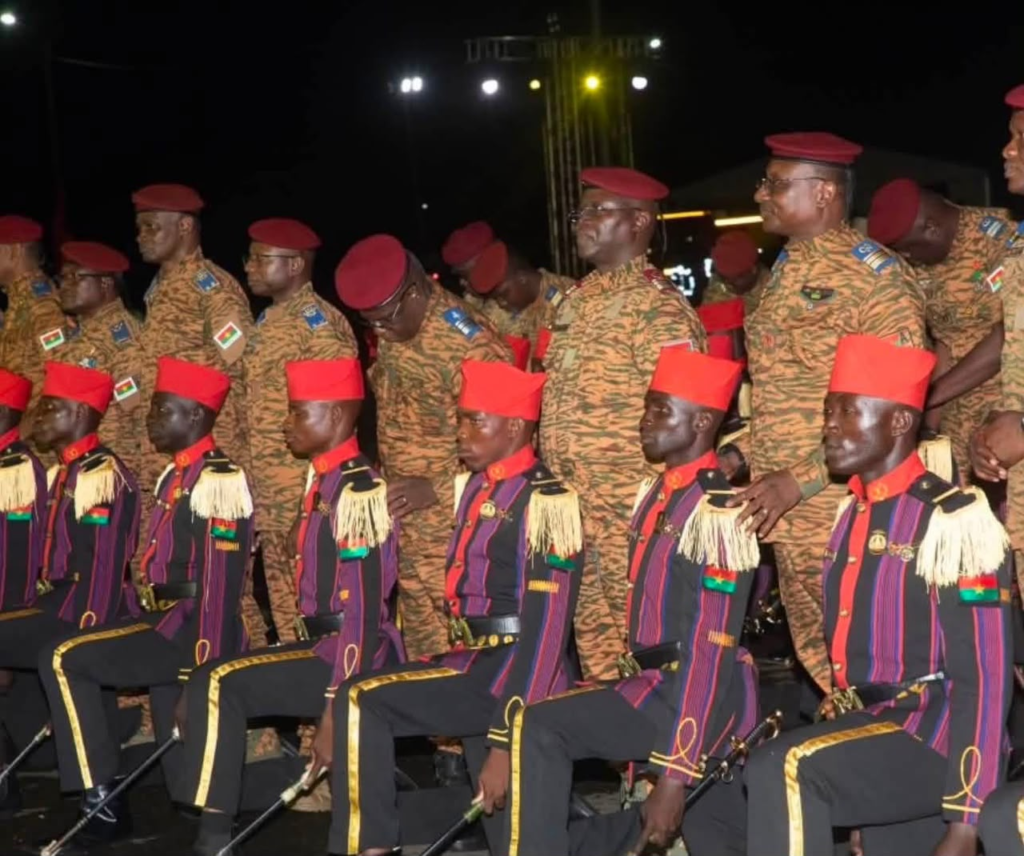
By integrating Faso Dan Fani into government and institutional use, authorities hope to increase demand for locally manufactured textiles and encourage more value addition within the country.
The military cadet uniform initiative comes amid wider efforts by several African countries to promote indigenous industries, cultural symbols and locally made products as part of economic transformation strategies.
For Burkina Faso, the uniforms represent more than a change in military attire — they are intended as a statement of national pride, linking the country’s future leadership with its cultural roots.