

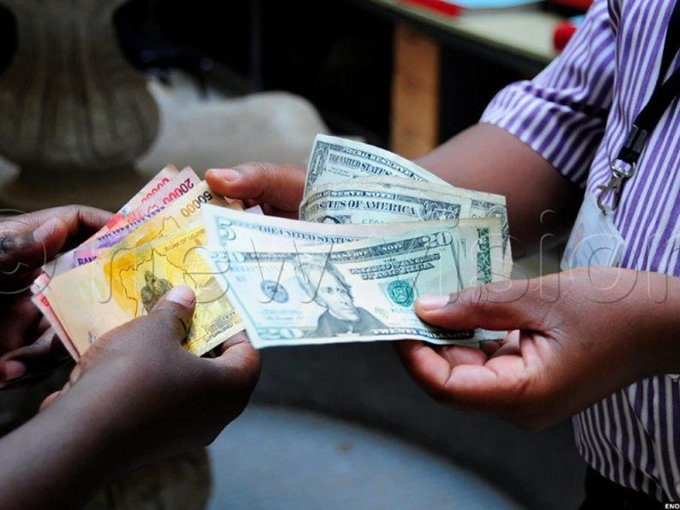
KAMPALA — The Bank of Uganda (BoU) sold about $68 million (Shs278 billion) from its foreign exchange reserves to ease pressure on the shilling, Governor Michael Atingi-Ego has disclosed, warning that central bank interventions cannot guarantee long-term currency stability.
Atingi-Ego said the intervention was deliberately limited because selling dollars could only smooth short-term fluctuations in the exchange rate, while lasting stability depended on Uganda increasing its production and exports to generate more foreign currency.
“People should not look at the central bank as the institution that can fix the currency. No, we can only try to stabilise the currency in the short term,” he said.
“But long-term stability of the currency depends on how strong our current account balance is. We need to upgrade the supply side rather than the demand side. The central bank is managing from the demand side. And over the long run, it is not sustainable. It is the supply side that is going to stabilise this currency.”
The Governor disclosed the $68 million intervention during the Bank of Uganda’s Monetary Policy Committee meeting on November 9, according to New Vision. He said the bank could have sold more dollars but chose to limit its intervention because it would not resolve the underlying pressures on the currency.
The shilling had come under sustained pressure in October, at one point weakening to nearly Shs4,500 against the US dollar. It later recovered to around Shs4,050 following a combination of central bank measures and renewed foreign investor demand for Ugandan government securities.
Appearing before Parliament’s Committee on Commissions, Statutory Authorities and State Enterprises (COSASE) on November 10, Atingi-Ego told MPs that some foreign investors holding government securities had sold their investments and converted the proceeds into dollars, increasing demand for foreign currency.
He attributed part of the pressure to higher interest rates in the United States, which made dollar-denominated assets more attractive to investors.
“We saw a number of non-residents who are holding Uganda government securities beginning to sell off these securities to buy dollars in the market. This added depreciation pressures on the currency, where we saw it move up to nearly Shs4,500,” he told the committee.
To contain the pressure, BoU raised the Central Bank Rate (CBR) from 9.75% to 12% on October 14, an increase of 2.25 percentage points. It also increased the Cash Reserve Requirement (CRR) for commercial banks from 11% to 13.5%, withdrawing about Shs1.3 trillion in liquidity from the banking system.
Atingi-Ego said the measures helped make government securities more attractive to offshore investors. At a subsequent auction, foreign investors bought more than Shs200 billion in government securities, bringing additional dollars into the market.
The government had offered Shs1.4 trillion in securities at the auction, he said, adding that the increased demand helped support the shilling’s recovery.
The Governor also pointed to declining tourism receipts following travel advisories issued by some countries over the Ebola outbreak, as well as higher shipping and insurance costs linked to tensions in the Middle East. These developments, he said, had weakened foreign currency inflows while increasing demand for dollars to finance imports.
Atingi-Ego urged Parliament to press the government to implement its tenfold growth strategy, particularly through agro-industrialisation, tourism, mineral development, and science, technology and innovation.
“We need to increase the export of goods and services,” he told MPs, arguing that greater domestic production and value addition would strengthen Uganda’s current account balance and reduce pressure on the shilling.
The currency depreciation has also raised concerns about inflation. Uganda’s annual headline inflation rose to 5.8% in October from 4.6% in September, with food crop inflation increasing sharply to 10.7%, according to figures reported by Reuters.
The Bank of Uganda’s November monetary policy report said its interventions included tightening monetary policy and providing $198 million in foreign exchange swap lending to commercial banks in October. It reported foreign exchange reserves of about $7 billion at the end of that month.
Atingi-Ego’s remarks underline the limits of using central bank reserves and interest-rate adjustments to defend the currency when the underlying supply of foreign exchange remains weak. The longer-term challenge, he said, is to expand the country’s capacity to earn dollars through exports and other economic activity.