

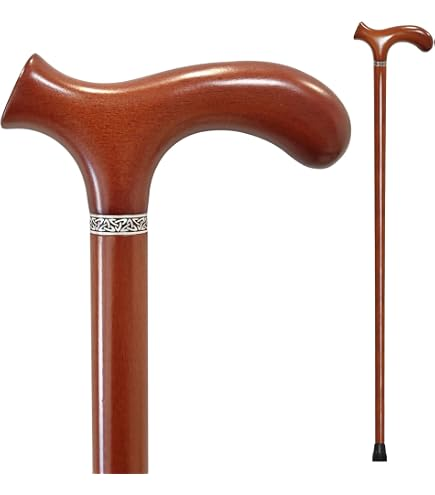
KAMPALA – A viral video shared online has ignited fresh debate about the Bahima community’s traditional customs after highlighting the historical use of a walking stick in cattle-keeping culture, including its reported role in the ancient practice known as okwarrana.
The clip, linked to Ugandan journalist Edgar Batte, explains that the sturdy wooden staff, an iconic symbol of Bahima pastoral life in southwestern Uganda, served not only as a tool for herding cattle and personal support but also as a cultural signal in certain traditional practices.
According to the narration in the clip, during the historical custom known as okwarrana, a man could offer his wife to an honoured guest, with the husband’s walking stick placed at the entrance of the hut to indicate that privacy should be respected.
The video has generated thousands of reactions across social media, with users expressing a mixture of fascination, disbelief and concern.
While some viewers described the custom as part of Uganda’s rich cultural heritage that should be understood within its historical context, others questioned its compatibility with modern values surrounding consent, women’s rights and public health.
Several commenters also linked the discussion to HIV/AIDS, arguing that practices involving multiple sexual partners could have heightened disease transmission risks if practised today. Others cautioned against judging historical traditions using contemporary standards, noting that many customs have evolved or disappeared altogether.
There is no evidence that the historical practice described in the clip is currently widespread among the Bahima community. Cultural researchers have long noted that many traditional customs across Uganda have changed significantly due to urbanisation, education, Christianity, Islam, legal reforms and changing social norms.
The renewed online discussion comes as health authorities continue to express concern over persistently high HIV prevalence in parts of the Ankole sub-region, where many Bahima communities traditionally reside.
According to the Uganda AIDS Commission’s Presidential Fast Track Report 2024–2025, several districts in Ankole record HIV prevalence rates well above the national average of 4.9 percent. Kiruhura District—home to a significant Bahima pastoral population—has an HIV prevalence of 11 percent, while Mbarara City stands at 10 percent, Bushenyi at 8 percent, Rwampara and Sheema at 7 percent, and Ibanda, Rubirizi and Ntungamo each at 6 percent.
Health officials have attributed the elevated HIV burden to a combination of factors, including multiple concurrent sexual partnerships, cross-border mobility, alcohol abuse, low risk perception, and inconsistent condom use, rather than any single cultural practice. The Uganda AIDS Commission has emphasized that HIV prevention efforts should avoid stigmatizing specific communities while promoting safer sexual behaviour, HIV testing and treatment.
Academic studies conducted in Uganda have similarly found that HIV transmission is influenced by a complex mix of behavioural, occupational and socioeconomic factors. Researchers have identified higher HIV risks among certain highly mobile occupational groups, underscoring that the epidemic is shaped by multiple drivers rather than cultural identity alone.
The online debate has renewed broader conversations about how traditional customs should be documented and discussed in the digital age. While many Ugandans welcomed the opportunity to learn about lesser-known aspects of Bahima history, others argued that historical practices should be presented with sufficient context to avoid reinforcing stereotypes about particular communities.
As the discussion continues, public health experts maintain that understanding cultural history should go hand in hand with promoting respect for human rights, gender equality and evidence-based HIV prevention strategies.