

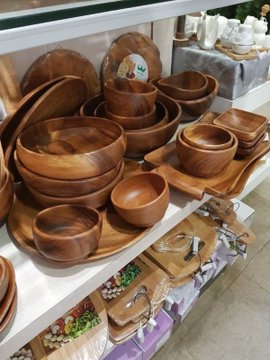
KAMPALA — Yoweri Kaguta Museveni has confirmed that traditional wooden food containers made from indigenous tree species are safe for use, following a scientific assessment by government experts.
In a statement shared on April 11, the President said findings from the Chemical, Biological, Radiological and Nuclear (CBRN) team had cleared utensils made from omunyama (mahogany) and omusisa (albizia) as both safe and durable for handling food.
“Following a scientific assessment by our CBRN team, I have written to Matongo Wood Works Company confirming that traditional wooden food containers made from omunyama and omusisa are safe and durable,” Museveni said.
Boost for local industry
The President said he has directed government support towards Matongo Wood Works Company to expand production of the traditional containers, as part of a broader push to promote local manufacturing.
“I have directed support for this initiative so that we free ourselves from the colonial habit of relying on fragile and unsafe ebyatika (the breakables),” he added.
The directive is expected to boost small and medium enterprises involved in wood craftsmanship, while also promoting the use of locally available materials.
Reviving indigenous knowledge
Museveni framed the move as part of efforts to revive indigenous knowledge systems that have historically supported communities across Uganda.
“Our indigenous knowledge systems served our people well for generations. It is time to consciously revive and promote them as part of building a self-reliant and modern Ugandan economy,” he said.
Traditional wooden items such as bowls, milk pots, and spoons have long been used in Ugandan households, particularly in rural settings, before the widespread adoption of ceramic and plastic alternatives.
Policy direction
The endorsement comes amid growing government emphasis on import substitution and value addition, encouraging Ugandans to embrace locally produced goods.
Officials say the integration of scientific validation with traditional practices could help rebuild trust in indigenous products while creating new economic opportunities in manufacturing and cultural industries.
The initiative is also seen as aligning with Uganda’s long-term development agenda of strengthening domestic industries and reducing dependence on imported household items.