
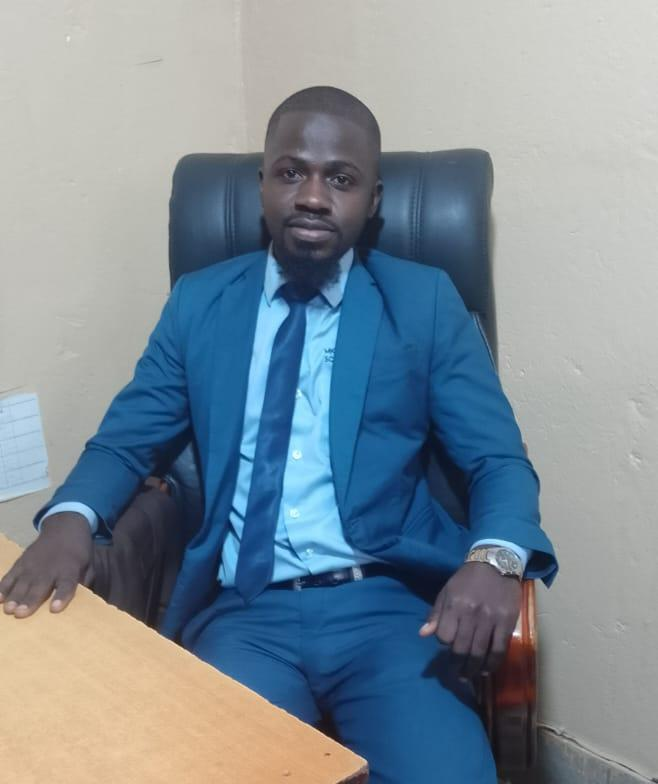
Kampala, Uganda — Dr. Ndagishe Aliyi, Dean of Studies at MK International School and Chief Executive Officer of Ali Medical Hospital, has criticised government policy priorities, arguing that the health sector is being neglected despite rising unemployment among medical graduates.
In an interview, Dr. Aliyi said thousands of qualified doctors continue to graduate each year but remain without jobs, while other sectors receive faster salary adjustments.
“Every year, thousands of qualified doctors graduate from various universities, yet many remain unemployed or underemployed for extended periods,” he said. “This situation is not only frustrating for the young professionals who have invested years of rigorous medical training, but it is also a missed opportunity to bolster our strained healthcare workforce.”
His remarks come in the wake of government plans to implement a phased 25% salary enhancement for Arts teachers in government-aided secondary schools beginning July 2026, as part of the FY 2026/2027 budget framework.
The announcement was previously made by Vice President Jessica Alupo, with the pay adjustment aimed at gradually harmonising salaries with science teachers who earlier benefited from wage enhancements.
Dr. Aliyi also raised concern over persistent challenges within the health sector, particularly the alleged theft of drugs and medical supplies in public hospitals.
“The rampant theft of medical drugs and essential supplies in government hospitals has reached alarming levels and can no longer be ignored,” he said. “This unethical and criminal practice directly undermines the efforts of hardworking health workers and deprives vulnerable patients.”
He warned that diverted supplies often end up in private pharmacies or the black market at inflated prices, leaving public facilities understocked.
Dr. Aliyi called for urgent reforms, including digitised tracking systems for medical supplies, stronger audits, improved security, and tougher penalties for those implicated in theft.
He further urged government to prioritise immediate recruitment of newly trained doctors to fill gaps in public health facilities and improve service delivery.
“The time for half-measures is over,” he said. “Addressing drug theft and expanding the health workforce are not optional — they are fundamental to safeguarding lives and ensuring equitable access to quality healthcare.”
Government has previously acknowledged concerns in the sector. The Ministry of Health Uganda reportedly requested Shs32.5 billion in early 2026 to digitise hospital systems aimed at curbing drug theft, while Parliament passed the National Drug and Health Products Authority Bill, 2025 to strengthen regulation.
Despite these interventions, challenges such as drug stock-outs and limited absorption of medical graduates into public service persist, fuelling debate over national spending priorities.
Dr. Aliyi’s comments have since sparked public discussion on the balance between investment in education and healthcare, with growing calls for reforms to address unemployment among doctors and systemic inefficiencies in the health sector.