

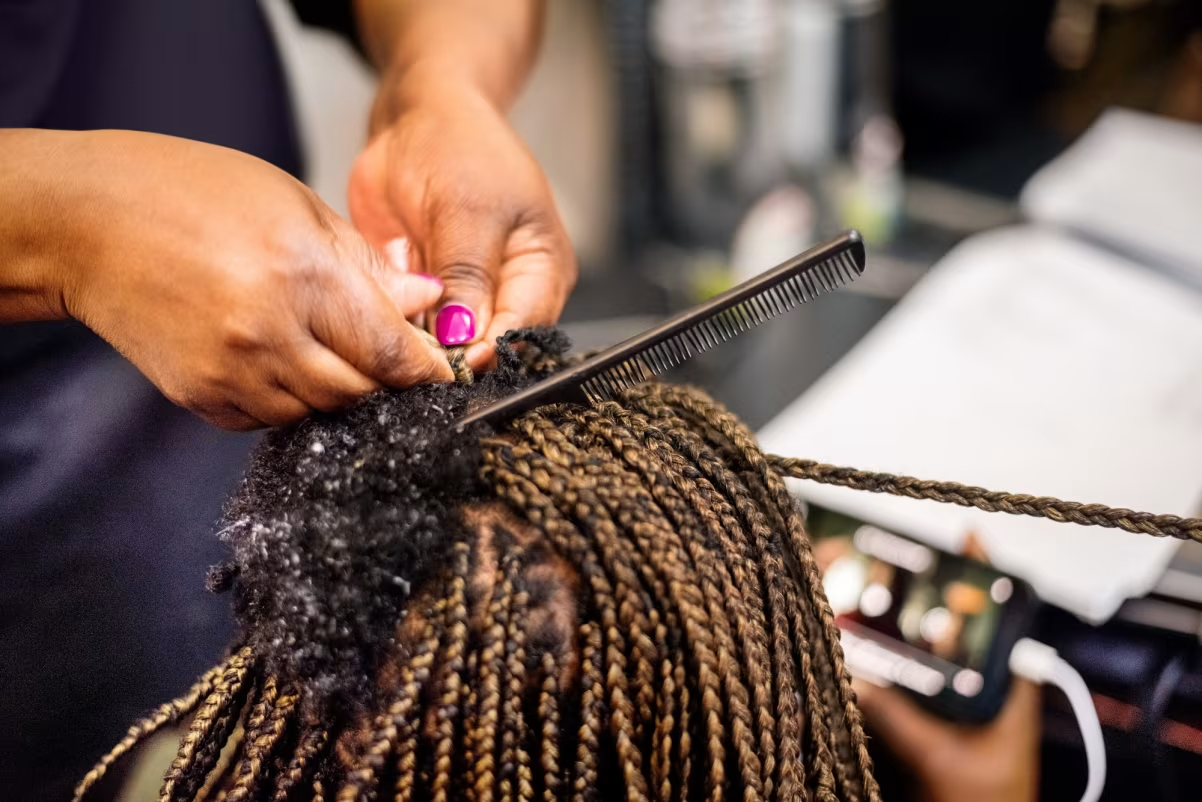
Hair extensions widely used for popular styles such as box braids, twists and faux locs may contain potentially harmful chemicals, according to recent studies that have raised concerns about the safety of products used by millions of Black women.
A recent investigation by the consumer advocacy group Consumer Reports found traces of lead in 29 brands of hair extensions, adding to growing evidence that some products in the multi-billion-dollar hair industry may expose users to hazardous substances.
The findings follow another study published in February in the journal Environment & Health, part of the American Chemical Society, which analysed 43 samples of both synthetic and human hair extensions. Researchers detected dozens of potentially dangerous chemicals, including flame retardants, pesticides and organotins — substances linked to skin irritation and other health concerns.
More than 80 percent of the tested samples contained chemicals associated with breast cancer, while nearly all samples contained at least one hazardous compound.
Widely Used “Protective Styles”
Hair extensions are commonly used by Black women and girls to create protective hairstyles designed to shield natural hair from damage and reduce daily styling. These styles are also popular before vacations, offering protection from saltwater or chlorine.
Beauty supply stores often stock a wide variety of synthetic hair in different shades and textures, making the products widely accessible.
However, researchers say the industry is largely unregulated, and it remains unclear whether long-term exposure to these chemicals through hair extensions poses a direct health risk.
Researchers Raise Concerns
Elissia Franklin, an analytical chemist at the Silent Spring Institute and lead researcher on the February study, said the findings highlight potential risks for both consumers and hair professionals.
Franklin said some of the same flame-retardant chemicals previously identified in household products such as furniture were also detected in hair extensions sold at beauty supply stores.
She noted that hair braiders may face greater exposure because they handle the products regularly over long periods.
Mixed Reactions from Stylists
Despite growing research, many hairstylists say the issue has not significantly changed their work practices.
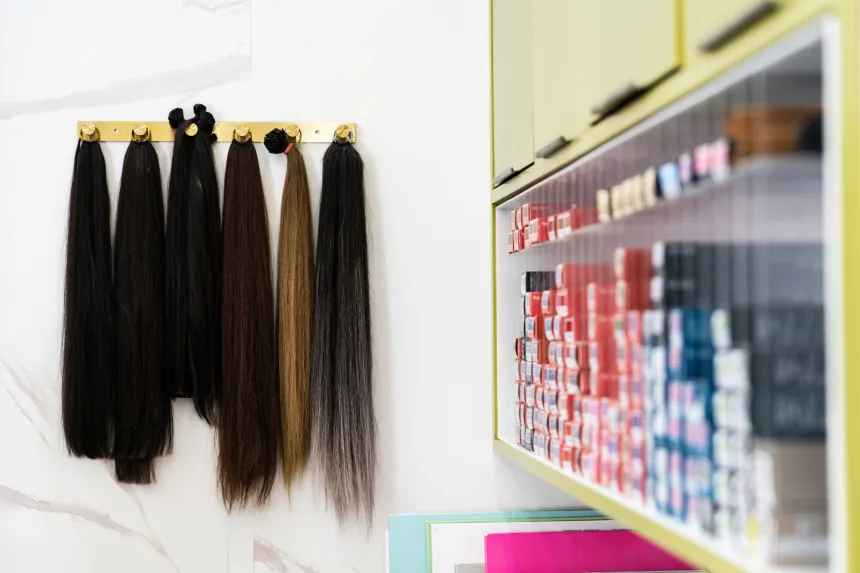
Some braiders say they occasionally hear complaints from clients about itching or irritation after installing extensions. As a precaution, some stylists wash or soak the hair before use, sometimes with solutions such as apple cider vinegar.
Others say they were unaware of the potential chemical risks.
Growing Questions About Hair Product Safety
The concerns about hair extensions add to broader debates about the safety of beauty products marketed to Black women.
Previous research has linked certain hair relaxers and chemical straighteners to harmful substances such as formaldehyde, a known carcinogen. Other everyday hair products—including gels, oils, sprays and adhesives—have also been found to contain preservatives that release formaldehyde.
Researchers say Black women tend to use a wider range of hair products and more intensive styling techniques than many other groups, which may increase exposure to potentially harmful chemicals.
Call for Greater Oversight
Experts argue that responsibility for ensuring product safety should not fall solely on consumers or stylists.
Franklin said manufacturers and regulators must play a larger role in ensuring that products sold to consumers are free from harmful chemicals.
While scientists continue studying the potential health impacts, researchers say consumers can only attempt to reduce exposure where possible, noting that many everyday products—from food to clothing—also carry some level of risk.