

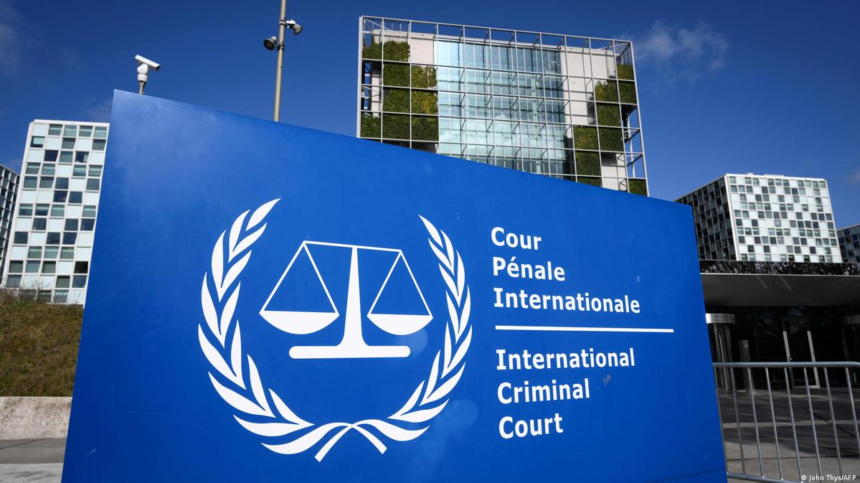
Foreign Affairs Minister Adonia Ayebare has warned that Uganda could withdraw from the International Criminal Court (ICC) if it investigates or indicts Ugandan officials, prompting Justice Minister Norbert Mao to call for consultations before the country takes a public position on the court.
Ayebare, in a post on X, accused the ICC of undermining the sovereignty of member states and disproportionately targeting African officials.
“The ICC has lost its way,” Ayebare wrote, arguing that the court had abandoned its original global mandate.
He said Uganda would not hesitate to leave the institution if it targeted Ugandan officials, adding that the country would continue advocating reforms as a member of the ICC Bureau.
Ayebare also criticised what he described as attempts by some member states to target senior court officials from the Global South, citing former ICC prosecutor Karim Khan.
Mao, responding to Ayebare, said Uganda needed to discuss its position on the court more seriously before making public declarations.
“My brother Adonia Ayebare, apart from the need to discuss this matter more seriously to determine where we stand as a country, there’s no need to parrot Marco Rubio,” Mao wrote, referring to the United States Secretary of State.
Mao later withdrew his accusation that Ayebare was repeating Rubio’s views, acknowledging that the foreign affairs minister had held his position on the ICC for years.
However, he maintained that the timing of Ayebare’s remarks could undermine Ambassador Olara Otunnu’s campaign for United Nations secretary-general.
Mao argued that Uganda’s public criticism of an international institution to which it voluntarily belongs could complicate efforts to promote Otunnu’s candidacy.
“It cannot be the country promoting his candidacy to start publicly denouncing an international organization to which Uganda belongs voluntarily (unlike the US),” Mao wrote.
He described Otunnu as a supporter of international law and international organisations’ role in protecting weaker states and populations.
Ayebare rejected the suggestion that his position was connected to Otunnu’s campaign, insisting that his views on the court were longstanding.
“With due respect Ladit, there is no relationship between the campaign for Dr Olara Otunnu for SG, and you know the facts, my views on ICC which has been consistent for years,” Ayebare responded.
He cited the court’s cases involving Sudan and Kenya as examples of what he considers disproportionate attention to African situations. He also questioned the treatment of Khan, the court’s former prosecutor.
The exchange highlights differing views within Uganda’s government over how to approach the ICC, particularly the balance between national sovereignty, international justice and diplomatic considerations.
Uganda ratified the Rome Statute, the treaty establishing the ICC, in 2002. The court prosecutes individuals accused of genocide, crimes against humanity, war crimes and the crime of aggression, subject to the relevant jurisdictional requirements.
Ayebare’s remarks did not indicate that Uganda had formally initiated a withdrawal process. Under Article 127 of the Rome Statute, a state party must notify the United Nations Secretary-General in writing of its decision to withdraw, with the withdrawal generally taking effect one year after the notification is received.
Mao’s call for further discussions suggests that Uganda’s position remains a matter for consultation, even as Ayebare maintains that the country should be prepared to leave the court if Ugandan officials become targets of investigations or indictments.