

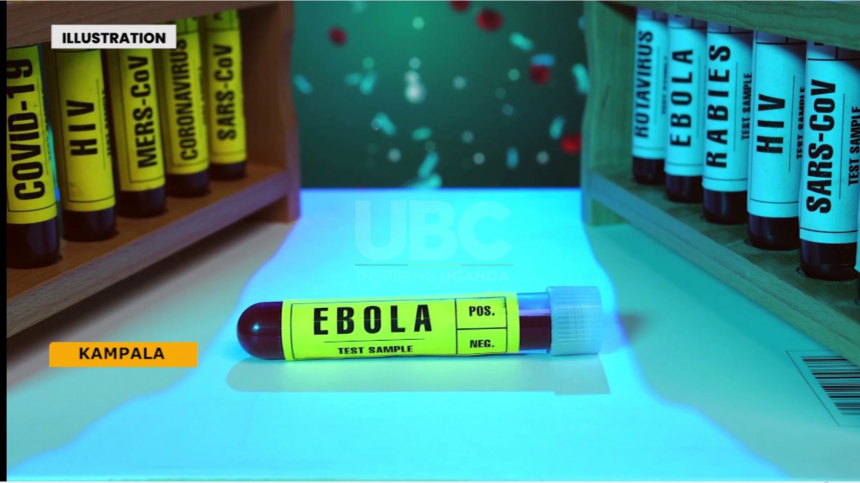
KAMPALA — The World Health Organisation (WHO) has reported 906 suspected Ebola cases and 223 suspected deaths linked to the Bundibugyo strain of the virus in the ongoing outbreak affecting parts of the Democratic Republic of the Congo (DRC) and neighbouring Uganda.
The global health body, however, says there is currently no evidence of community transmission in Uganda, where health authorities have intensified surveillance, border screening, and contact tracing to prevent further spread.
According to WHO updates, the majority of suspected cases and deaths have been recorded in eastern DRC, particularly in the provinces of Ituri, North Kivu, and South Kivu. The region has faced repeated health emergencies in recent years, with insecurity, displacement, and limited access to healthcare continuing to complicate outbreak response efforts.
Health officials say transmission has largely been driven by delayed detection of cases and challenges in reaching affected communities, some of which are in conflict-affected zones where medical teams have limited access.
In Uganda, the Ministry of Health has confirmed a small number of imported cases linked to cross-border movement from the DRC. Authorities, however, stress that all identified cases have been isolated and managed, with no confirmed chain of local transmission within communities.
Ugandan health teams have stepped up screening at border points, particularly in western districts that share porous borders with the DRC. Surveillance systems have also been reinforced in health facilities to ensure early detection of suspected cases.
WHO has warned that while the situation remains contained in Uganda, the risk of cross-border spread remains high due to frequent movement between the two countries for trade and social activity.
The Bundibugyo strain of Ebola, first identified in Uganda in 2007, is known to cause severe haemorrhagic illness, with symptoms including fever, vomiting, diarrhoea, weakness, and in severe cases, internal and external bleeding. Previous outbreaks of the strain have recorded fatality rates ranging between 25 and 50 percent.
Unlike some other Ebola strains, there is currently no widely approved vaccine or specific treatment for the Bundibugyo variant, making rapid detection, isolation, and supportive care critical to reducing deaths.
WHO has urged affected countries to scale up emergency response measures, including community awareness campaigns, safe burial practices, and strengthening of laboratory testing capacity. The organisation has also called for increased international support to help contain the outbreak before it spreads further across borders.
Public health experts warn that the combination of high population movement, limited healthcare access in some affected regions, and ongoing insecurity in eastern DRC could accelerate transmission if response efforts are not sustained.
Authorities in both Uganda and the DRC continue to monitor the situation closely, with emergency response teams deployed to affected districts and coordination mechanisms strengthened between the two countries.
Health officials have urged the public to remain calm but vigilant, advising anyone showing symptoms consistent with Ebola to seek immediate medical attention and avoid physical contact with others.
The outbreak remains under close international observation as efforts continue to trace contacts, isolate suspected cases, and prevent further spread in the region.