

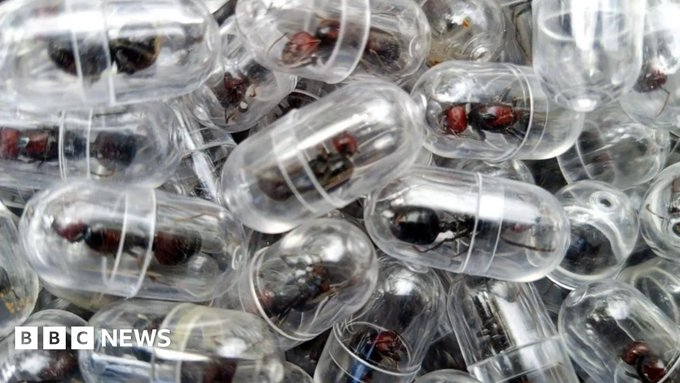
NAIROBI, Kenya — A Kenyan court has sentenced a Chinese national to one year in prison and imposed a fine after he was found guilty of attempting to smuggle thousands of ants out of the country.
The accused was arrested by wildlife authorities while allegedly trying to transport the insects, which are protected under Kenya’s strict biodiversity and conservation laws. Authorities said the ants were being illegally collected for export, raising concerns about biopiracy and the exploitation of Kenya’s natural resources.
Court upholds conservation laws
In its ruling, the Nairobi court found that the smuggling attempt violated regulations governing the collection and export of wildlife species, even those considered small or less conspicuous like insects.
Officials from the Kenya Wildlife Service said the case highlights the growing threat of illegal trade in lesser-known species, which play a critical role in ecosystems.
“The illegal export of wildlife, including insects, undermines conservation efforts and threatens biodiversity,” the agency said in a statement.
Rising concern over biopiracy
Experts say insects such as ants are increasingly targeted for research, commercial breeding, or collection abroad, making them vulnerable to trafficking networks.
The case has drawn attention to the need for stronger enforcement and awareness around the protection of all forms of wildlife, not just large animals traditionally associated with poaching.
Deterrent sentence
Authorities welcomed the sentence, saying it sends a strong signal against wildlife trafficking.
“This conviction demonstrates Kenya’s commitment to protecting its biodiversity at all levels,” a conservation official said.
Kenya has some of the toughest wildlife protection laws in Africa, with stiff penalties aimed at deterring illegal trade and preserving the country’s rich natural heritage.