

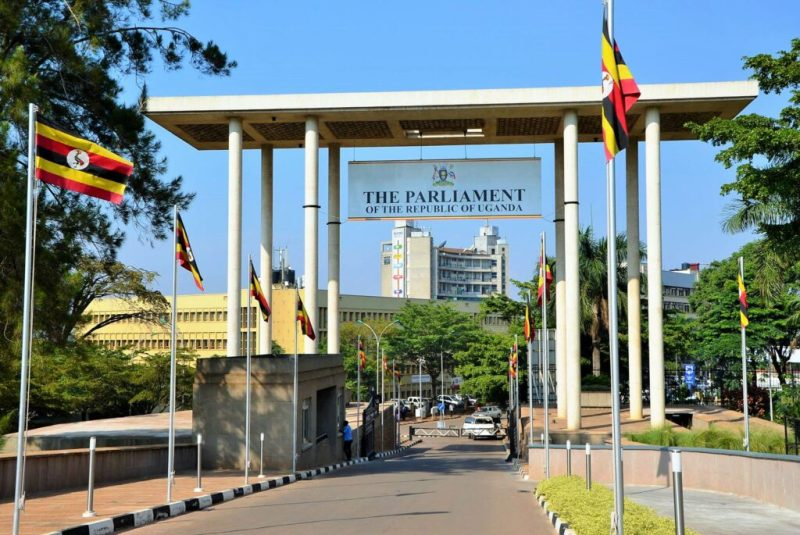
KAMPALA – A proposal to boost funding for Members of Parliament seeking medical treatment abroad has triggered renewed public debate over healthcare priorities and government spending in Uganda.
The proposal, tabled by the Parliamentary Commission, seeks to increase allocations for medical insurance and overseas treatment for legislators requiring specialised care not readily available in the country.
According to officials involved in the budget process, the request is part of preparations for the upcoming financial year and is intended to address rising cases of MPs being referred abroad for advanced medical procedures.
A senior official from the Commission said the adjustment is necessary to ensure timely access to critical treatment. “We are seeing more cases where specialised care is required but cannot be adequately handled locally. This provision ensures members receive the care they need without delay,” the official said.
The proposal reportedly covers enhanced health insurance packages and facilitation for treatment abroad, including complex surgeries, specialised diagnostics, and advanced medical interventions.
Parliament sources indicate that recent medical referrals involving legislators placed additional pressure on existing welfare provisions, prompting a review of current allocations.
However, the proposal has sparked criticism from governance experts and civil society actors, who argue that it highlights deeper weaknesses in Uganda’s public healthcare system.
“This debate is not just about MPs,” said a Kampala-based policy analyst. “It reflects systemic gaps in the health sector. Instead of increasing foreign treatment funding, the focus should be on strengthening local hospitals so that such cases can be handled domestically.”
Critics also point to concerns over equity, noting that while public officials are facilitated to seek treatment abroad, many citizens continue to rely on under-resourced public health facilities.
“Public hospitals still face shortages of drugs, equipment, and specialists,” the analyst added. “That contrast raises questions about fairness in public resource allocation.”
Some Members of Parliament, however, have defended the proposal, arguing that access to life-saving treatment should not be constrained by geography. One MP, speaking anonymously, said, “When a critical condition arises, the priority is survival. If treatment is not available locally, there must be a system to ensure access elsewhere.”
The debate comes amid broader scrutiny of parliamentary benefits, with allowances and welfare allocations often drawing public attention during budget discussions.
As the national budget process continues, the proposal is expected to face further examination in committee stages and attract continued public engagement.
Observers say the outcome could influence not only parliamentary welfare policy but also wider national discussions on how Uganda balances investment in local healthcare systems against overseas medical support for public officials.