

KAMPALA — Lawmakers and civil society actors have backed proposals to increase taxes on gaming, alcohol, and other sectors, arguing the measures could curb harmful behaviour, improve public health, and boost government revenue amid rising fiscal pressures.
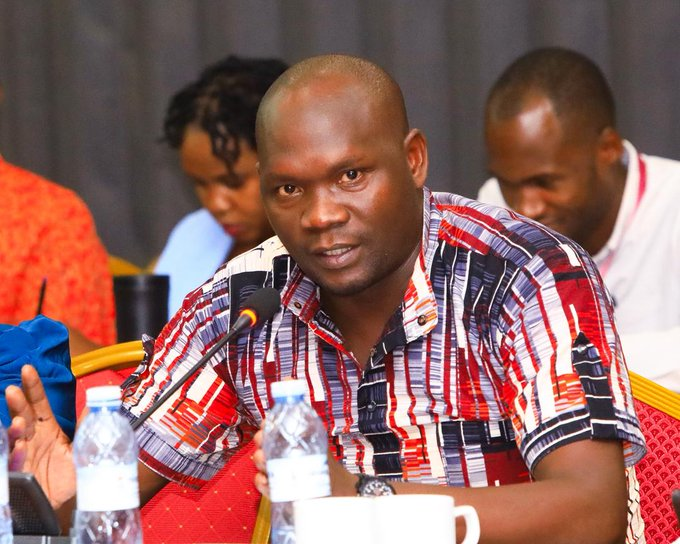
Appearing before Parliament’s Finance Committee, Kennedy Oluma, a member of the Uganda Parliamentary Network on Illicit Financial Flows, supported the proposal in the Lotteries and Gaming (Amendment) Bill, 2026 to raise tax on gaming earnings from 20% to 30%.
“We think that this increase first of all will be able to discourage many of our young people from going into betting because of the complications that come with it,” Oluma said.
“Suggesting such a prohibitive measure will be able to help our economy but also reduce our spending in the health sector. We recommend that Parliament considers and supports this amendment.”
SEATINI opposes Bujagali tax waiver extension
However, civil society groups raised concerns over other tax proposals, particularly a government plan to extend tax exemptions for Bujagali Electricity Limited until 2032.
Aloysius Kittengo, Program Coordinator for Financing for Development at SEATINI Uganda, urged lawmakers to reject the extension pending a thorough review.
“We request the committee to reject the proposal of extending the Bujagali call for seven years of exemption,” Kittengo said.
“There is a need to have a cost-benefit analysis… if we tax them corporate income tax and get this revenue, it can be used to subsidise power.”
Rising debt raises alarm
Concerns over Uganda’s growing debt burden also featured prominently in the discussions.
Herbert Kafeero, Deputy Executive Director at SEATINI, warned that increasing domestic borrowing is straining public finances.
“This is largely driven by increased domestic borrowing, which comprises more than half of the total debt portfolio,” Kafeero said.
“Domestic debt interest payments stood at over 22% of total revenue… thus crowding out other budgetary spending.”
He nonetheless welcomed government’s efforts to expand revenue through proposed amendments to existing tax laws.
Rental tax proposal gets cautious support
CSOs under the Tax Justice Alliance Uganda also supported the introduction of monthly rental income tax payments but warned of implementation challenges.
Kittengo suggested leveraging local structures to improve compliance.
“Where possible, the government can hire agents to collect on behalf of the government because they know the taxpayers,” he said.
“This can be linked to local governments… though it will have implications for those already tax compliant.”
Health concerns drive cooking oil tax support
Meanwhile, the Uganda National Health Consumers Organization backed proposals to increase taxes on cooking oil, citing health risks associated with cheap, substandard products.
Legal officer Moses Tahibita called for a broader regulatory approach alongside taxation.
“We are aware that on the market there are oils that are very substandard… while high-quality oils are too expensive,” Tahibita said.
“A broader approach is better, including addressing illicit dumping and strengthening regulation.”
Balancing revenue and public welfare
The discussions reflect growing consensus among lawmakers and civil society on the need for tax reforms that not only raise revenue but also address public health and social challenges.
Parliament’s Finance Committee is currently reviewing the proposals under various amendment bills, which are expected to shape Uganda’s fiscal policy for the 2026/27 financial year.