

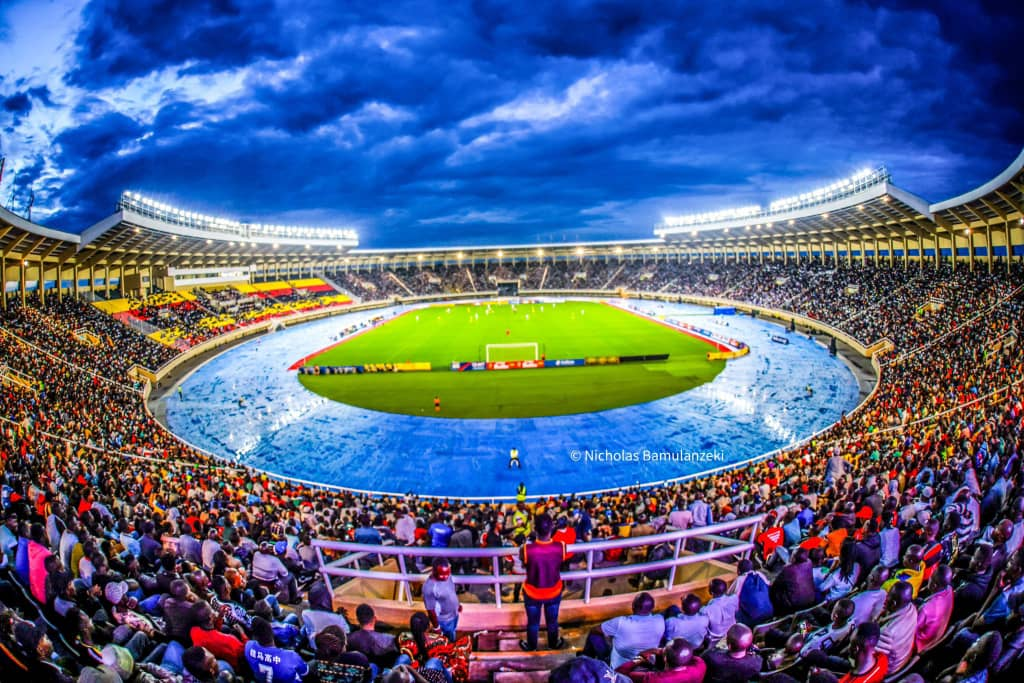
KAMPALA — Government has earmarked $60 million (about UGX 225 billion) for the second phase of renovations at Mandela National Stadium as Uganda prepares to co-host the 2027 Africa Cup of Nations (AFCON).
State Minister for Sports Peter Ogwang said the upgrades are aimed at elevating the stadium to Confederation of African Football (CAF) Category 4 standards, the highest requirement for hosting major continental tournaments.
“Phase Two of the Namboole redevelopment will cost $60 million to ensure the facility meets CAF standards,” Ogwang said.
Major upgrades planned
The renovation works, to be undertaken by the Uganda People’s Defence Forces Engineering Brigade, will include an expansion of seating capacity by 8,000 to reach 45,000.
Other planned improvements include installation of full roofing, modernization of media facilities, and enhanced safety features such as redesigned and relocated dressing rooms.
Officials say the upgrades are critical to Uganda’s joint bid with Kenya and Tanzania to successfully host AFCON 2027.
Mixed reactions
The announcement has drawn mixed reactions, with supporters arguing that the investment will boost tourism, create jobs, and enhance national pride.
“Upgrading Namboole is not just about football; it is about positioning Uganda as a competitive host nation,” a sports official said.
However, critics have raised concerns over the cost, noting that the stadium has already undergone recent renovations.
Some observers questioned the value of investing heavily in a facility originally constructed in the 1970s, while others expressed fears over possible mismanagement of funds.
Strategic importance
Despite the criticism, government maintains that the investment is necessary to meet international standards and unlock economic opportunities tied to hosting a major continental tournament.
AFCON 2027 is expected to be one of the largest sporting events on the continent, with Uganda banking on upgraded infrastructure to attract visitors and showcase its capacity to host global events.
Further details on timelines and procurement for the second phase of works are yet to be announced.