

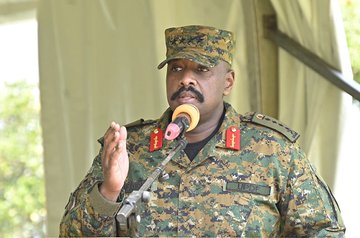
A diplomatic controversy has erupted online after comments by Gen Muhoozi Kainerugaba triggered a response from the Embassy of Iran in South Africa, drawing sharp reactions from Ugandan political figures.
Gen Kainerugaba (Uganda’s Chief of Defence Forces, @mkainerugaba on X) posted a series of tweets about the Israel-Iran conflict in late March 2026. Many were deleted shortly after, but they were widely quoted and reported before removal.
One of the most quoted lines from his posts was:”It can’t take us more than two weeks to capture Tehran. A UPDF Brigade is enough for that job.”
He also wrote variations expressing support for Israel, such as:”We want the war in the Middle East to end now. The world is tired of it. But any talk of destroying or defeating Israel will bring us into the war. On the side of Israel!”
These remarks sparked widespread ridicule and reactions online, including mockery from Iranian channels. The posts referenced historical ties between Uganda and Israel (e.g., the Entebbe raid) as part of his reasoning.
The Iranian embassy, in a post on X (formerly Twitter), appeared to mock a tweet by Kainerugaba—son of President Yoweri Museveni—describing it as a “phenomenon to entertain you on Africa’s Got Talent,” while sharing a link to his post.
Byanyima, Adonia clash
The remark quickly sparked backlash within Uganda’s political and diplomatic circles, with Winnie Byanyima condemning the situation as embarrassing for the country.
“Uganda is [a] laughing stock of Iran’s Embassy in South Africa. This must stop,” Byanyima posted, calling for more serious management of Uganda’s national defence and international relations.
The exchange escalated further as Uganda’s Permanent Representative to the United Nations, Adonia Ayebare, criticized Byanyima for what he described as inserting herself into partisan politics despite her international role.
“Why don’t you wait for [the] few months remaining to exit the UN instead of banishing the image of the organization,” Ayebare wrote, invoking a local proverb to caution against what he framed as politically charged commentary.
The broader online debate also drew in regional voices, including Kenyan-based commentator Ferdinand Omondi, who weighed in on tensions involving Iran, Israel, and the wider geopolitical context, reflecting how the issue has intersected with global narratives.
At the center of the controversy are previous posts by Kainerugaba, known for his outspoken and often provocative social media presence on military and foreign policy matters. His comments have in the past drawn both domestic and international attention, occasionally complicating Uganda’s diplomatic posture.
The Iranian embassy’s response marks a rare instance of a foreign mission publicly engaging with Ugandan internal discourse in a mocking tone, raising concerns among analysts about the potential implications for bilateral relations and Uganda’s international image.
The Ugandan government has not yet issued an official statement on the matter, but the incident underscores growing scrutiny over how social media engagement by high-profile officials can impact diplomacy.