

Kampala, March 10, 2026 – Legislators have demanded accountability from the Ministry of ICT and National Guidance over the controversial internet shutdown imposed during the January 15 general elections, questioning who authorised the move and why it disrupted critical services such as mobile money.
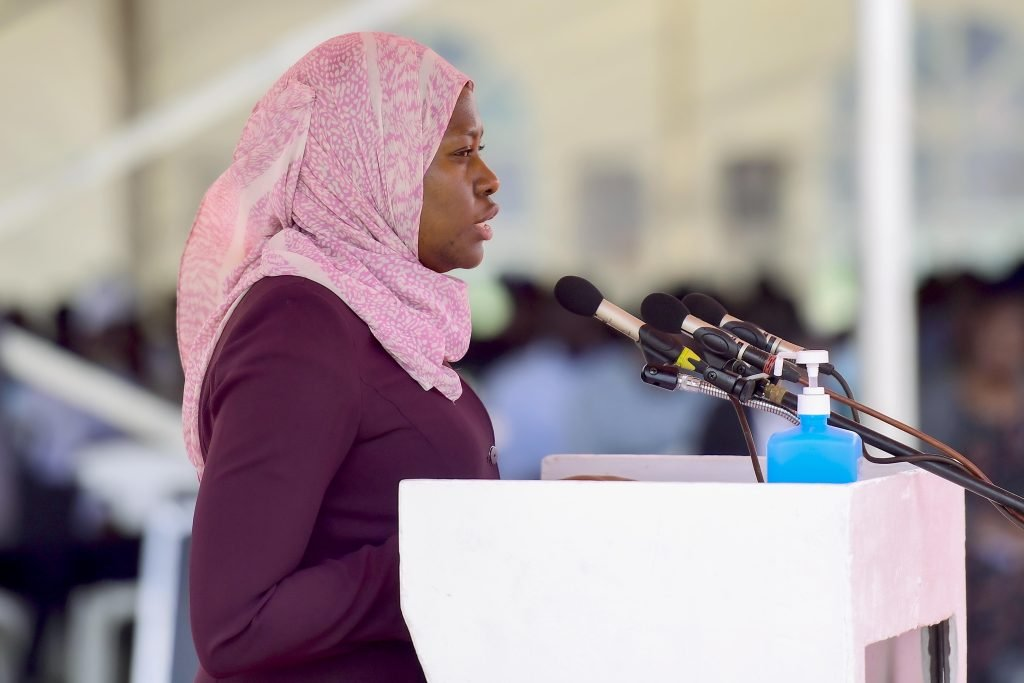
The issue came to the fore during a meeting of Parliament’s Public Accounts Committee (PAC–Central Government), where ministry officials led by Permanent Secretary Aminah Zawedde appeared to respond to queries in the 2024/25 Auditor General’s report.
MPs demand accountability
Bugiri Municipality MP Asuman Basalirwa pressed officials to disclose who exactly ordered the shutdown.
“Who gave you the instructions to switch off the internet? As a committee we need to know who to pursue on this matter,” Basalirwa said.
PAC Vice Chairperson Gorreth Namugga also insisted that the ministry must provide documentary evidence authorising both the shutdown and restoration of services.
“You supervise the regulator. Before we leave here, we must see the communication authorising the switch-off and the switch-on,” Namugga said.
Security agencies blamed
In response, Zawedde told the committee that the directive originated from an inter-agency security committee handling national security matters, which then instructed the communications regulator to implement the decision.
“That committee determined that it was necessary to shut down the internet and directed the regulator to implement the decision,” she said.
The shutdown was enforced through the Uganda Communications Commission, which oversees the country’s telecommunications sector.
Mobile money disruption questioned
Lawmakers also raised concerns about the impact of the shutdown on mobile money services, a key pillar of Uganda’s digital economy relied upon by millions.
Namugga said the disruption caused losses to businesses and individuals who depend on mobile transactions.
“The country needs to know why mobile money was affected… For many people, this meant lost business,” she said.
Basalirwa warned that such disruptions were becoming a recurring trend during election cycles.
“In 2016 mobile money was disrupted. In 2021 it happened again. Now in 2026 it has happened,” he said.
Ministry cites technical challenges
Commissioner for ICT Infrastructure Development Geoffrey Agoi said the directive targeted internet services only and was not intended to affect mobile money.
“The directive was strictly about internet services. Mobile money was not supposed to be affected,” Agoi explained.
He attributed the disruption to technical challenges faced by telecom operators during implementation, noting that some providers experienced difficulties while others were less affected.
Wider implications
The exchange highlights growing tensions between national security considerations and digital rights in Uganda, particularly during election periods. Critics argue that repeated shutdowns undermine access to information and disrupt economic activity in an increasingly digital economy.
PAC has now directed the ministry to submit detailed documentation outlining the chain of decisions that led to the shutdown, as lawmakers push for greater transparency and accountability.