

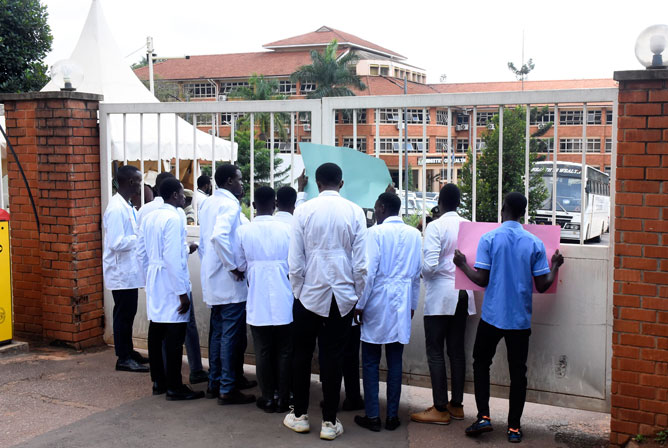
Medical professionals in Uganda have raised concerns over a proposed policy by the Ministry of Health (Uganda) that would restructure medical training by turning the current one-year internship into the sixth year of university study.
The proposed change, expected to take effect in July 2026, would mean medical students complete their internship as part of their academic programme before graduation. Under the plan, graduates would receive their degrees only after completing the internship year and passing the required assessments.
However, doctors’ associations say the proposal would remove the modest monthly allowance currently paid to medical interns, estimated at about $270, since the trainees would technically still be students rather than employees.
Professional groups including the Uganda Medical Association and the Federation of Uganda Medical Interns argue that the policy could place additional financial pressure on students who would have to pay tuition for the extra year of study.
Critics say the move appears aimed at reducing government expenditure rather than improving the training of doctors.
Medical professionals have also questioned how the additional academic year would be funded and supervised, warning that unclear training arrangements could affect the quality of medical education and patient safety.
Among those raising concerns is Robert Kalyesubula, who noted the persistent challenges facing doctors in the country.
“The doctors in Uganda have never had peace. There is always something unpleasant to worry about,” Kalyesubula said in a social media post, questioning who would finance the sixth year and who would ensure students receive the required competencies during the extended training.
The debate comes amid an ongoing shortage of medical personnel in Uganda, where estimates suggest one doctor serves between 10,000 and 25,000 patients, far above recommended global ratios.
Uganda has previously experienced strikes by medical interns and other health workers over delayed or unpaid stipends, highlighting long-standing tensions over working conditions and government funding for the health sector.
Despite the criticism, the Ministry of Health maintains that the policy is intended to improve the quality of medical training by integrating internship more closely with academic instruction.
Discussions between government officials, universities and professional medical bodies are expected to continue as stakeholders seek clarity on the implementation and financing of the proposed reform.