

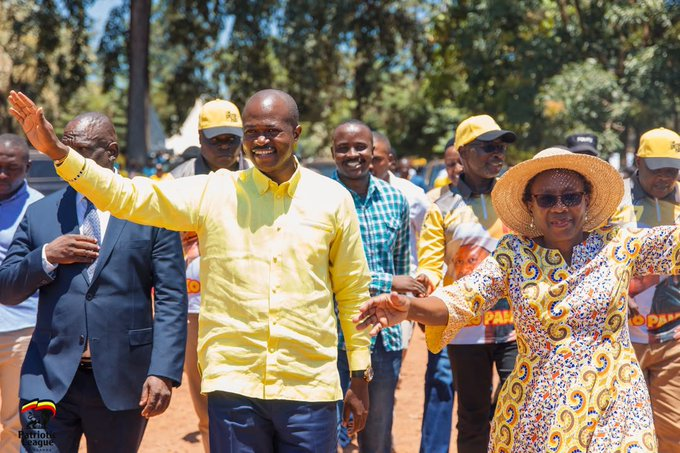
The Patriotic League of Uganda (PLU) has begun a nationwide mobilisation campaign to endorse Gen. Muhoozi Kainerugaba for president in 2031, with the group holding rallies and processions in Lira City as it seeks to collect 20 million signatures in support of his bid.
PLU leaders, including ministers, Members of Parliament and political elders, joined supporters in Lira City for the mobilisation activities, which included processions and displays of solidarity for Kainerugaba.
Daudi Kabanda, the PLU spokesperson, thanked residents of Lira and the wider Lango sub-region for what he described as an overwhelming reception.
“A very big thank you to the people of Lira City, Lango Sub Region, for welcoming us in overwhelming numbers yesterday,” Kabanda said in a post on X.
He added: “Surely the love and support countrywide is massive! We appreciate the support of the people.”
Kabanda reaffirmed the group’s support for Kainerugaba, writing: “Gen. Muhoozi Kainerugaba Museveni for President 2031 Onwards.”
The mobilisation is part of a wider PLU campaign seeking 20 million signatures across Uganda to demonstrate support for Kainerugaba’s proposed presidential bid.
Kainerugaba, the Chief of Defence Forces of the Uganda People’s Defence Forces (UPDF), has previously been at the centre of political discussions about the country’s post-Museveni succession. President Yoweri Kaguta Museveni has been in power since 1986.
PLU, which has increasingly presented itself as a political mobilisation vehicle around Kainerugaba, has been conducting activities in different parts of the country as it builds support for the 2031 campaign.
The Lira mobilisation, however, also drew attention to unresolved political concerns surrounding the movement.
Some critics used the occasion to call for the release of political prisoners and detainees, arguing that any campaign for national leadership should also address concerns about political freedoms and the treatment of opposition supporters.
The mobilisation also comes amid continuing debate over Kainerugaba’s relationship with Buganda and remarks made in Parliament concerning allegations of abductions involving security agencies and individuals associated with him.
Those issues have periodically generated criticism of the general and his political supporters, while his allies have defended his record and rejected attempts to portray the PLU movement as a threat to Uganda’s political stability.
The Lango event nevertheless provided PLU with an opportunity to demonstrate support outside its traditional areas of mobilisation.
The group has not indicated when the 20 million-signature target will be reached or how the signatures will be independently verified.
Kainerugaba has not been declared a presidential candidate for the 2031 election, and the Electoral Commission’s formal nomination process for that election has not yet taken place.
The campaign therefore represents an early political mobilisation effort rather than a formal presidential nomination.
With Museveni’s long presidency making the question of succession increasingly prominent in Ugandan politics, the PLU campaign is positioning Kainerugaba as one of the leading figures in the debate over who should govern the country after the current president.
The response in Lira will consequently be watched beyond the crowds gathered at the rallies: whether the mobilisation can translate into sustained political support across Uganda remains a question for the years ahead.