

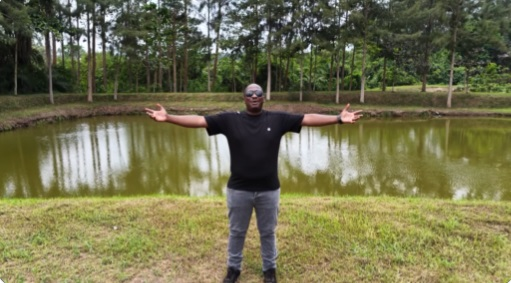
KAMPALA — Ugandan journalist and newly elected Bamutakudde Village LC1 Chairperson Solomon Serwanjja has unveiled a community park in his village, describing the initiative as an early step towards transforming the area through locally driven development.
Serwanjja announced the opening of the Bamutakudde Village Community Park, a green public space created after a resident made part of his privately owned land available for community use.
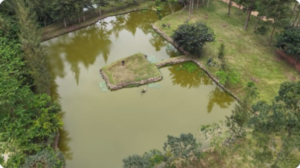
The park features greenery, streams, flowers and birds and is intended to provide residents with a shared space for recreation, social interaction and community activities. “We just opened the Bamutakudde Village Community Park. Endless green, flowing streams, flowers and birds; a kind resident opened his private, lush green space to the entire community to enjoy,” Serwanjja said.
He described the park as more than a recreational facility, positioning it as a place where residents can meet, exchange ideas and strengthen community ties. “A place to breathe, share ideas, break bread, and unite our people. Welcome home Bamutakudde,” he said.
The project comes shortly after Serwanjja narrowly won the LC1 election in Bamutakudde, where he has outlined a five-year development programme focused on practical community needs rather than large-scale promises.
His priorities include improving access to clean water, repairing roads and creating opportunities for young people to acquire practical skills.
Among the proposed programmes is vocational training for young people in plumbing and electrical work, alongside initiatives in beekeeping.
The new chairman has also said he intends to mobilise support for road improvements and other basic infrastructure in the village. Some of the initiatives have already attracted interest from district authorities, according to Serwanjja.
The community park, however, has quickly become the most visible symbol of the new leadership.
Unlike projects that often require lengthy government procedures and funding before anything appears on the ground, the park emerged from an agreement between a private landowner and the community.
Residents reportedly welcomed the initiative, with some joking that the green space could eventually attract marathon runners and increase the value of surrounding land.
But beneath the jokes lies a familiar question in Uganda’s local politics: what does development look like when it begins with something people can actually see, touch and use?
For Serwanjja, the answer appears to be deliberately modest: start with the village.
The park is expected to provide residents with a space for community gatherings, relaxation and informal interaction, while also adding greenery to the settlement.
The initiative also illustrates the role that private citizens can play in supporting public amenities where local authorities have limited resources.
Serwanjja’s five-year programme will now be judged not by the promises made during the LC1 campaign, but by whether those promises translate into functioning water systems, better roads, employable young people and productive community enterprises.
The opening of the park is therefore only the beginning.
For a newly elected village chairman, the difficult part is no longer winning the election. It is proving that local politics can produce something more tangible than speeches.