

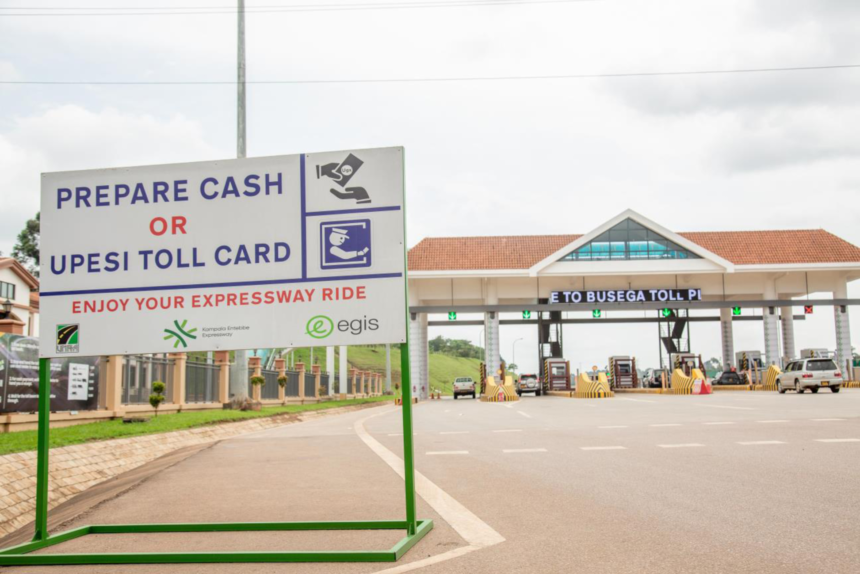
Members of Parliament have questioned the government’s decision to outsource operations of the toll system on the Kampala-Entebbe Expressway to a private operator at a cost of Shs122 billion, arguing that the system could have been developed locally at a much lower cost.
The concerns were raised by the Parliamentary Committee on Physical Infrastructure, which is reviewing the operational model adopted for the 26-kilometre expressway.
The committee, chaired by Hon. Mwine Mpaka, questioned why the Ministry of Works and Transport did not consider alternative models, including direct government management as practised in countries such as Ethiopia or concession arrangements similar to those used in Kenya.
Hon. Mpaka challenged ministry officials to explain whether feasibility studies and value-for-money assessments were conducted before settling on outsourcing.
The committee heard that the decision to engage a private operator was influenced by the financing arrangements and loan repayment obligations attached to the expressway project.
Works and Transport Minister Fred Byamukama told MPs that the model was largely shaped by agreements signed with the project financier. He also acknowledged that Uganda lacked prior experience in managing toll highways, making private sector involvement a preferred option.
The outsourcing arrangement has attracted criticism from some lawmakers and stakeholders who argue that Ugandan technology companies, universities or government agencies could have developed and managed a toll collection system at a fraction of the cost.
Critics have pointed to the cost difference between the Shs122 billion contract and estimates that a locally developed software system could cost about Shs5 billion.
The Kampala-Entebbe Expressway introduced tolling as part of efforts to generate revenue for maintenance and support repayment of loans used in constructing the road.
The toll charges vary depending on the category of vehicle, with fees ranging from Shs3,000 for large motorcycles to Shs18,000 for heavy trucks.
The Ministry of Works is expected to provide further explanations on the procurement process, cost implications and long-term benefits of the outsourcing model as parliamentary scrutiny continues.