



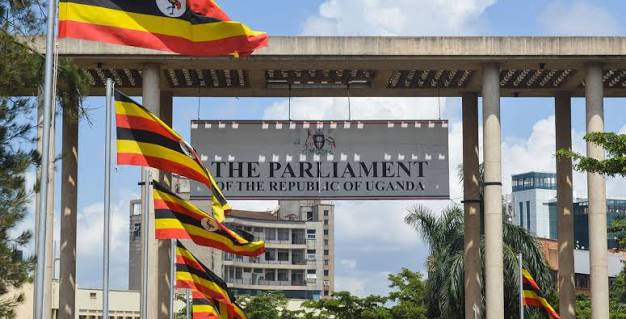
KAMPALA — Members of Parliament are expected to vote this week to fill the remaining backbench positions on the Parliamentary Commission and elect Uganda’s representatives to the Pan-African Parliament (PAP), in a key exercise that will complete the leadership structures of the 12th Parliament.
The internal elections come as Parliament finalises its administrative and governance framework following the 2026 General Elections and the swearing-in of newly elected legislators.
The vote for Backbench Commissioners will determine which MPs join the Parliamentary Commission, the legislature’s top administrative and policy-making organ responsible for overseeing Parliament’s finances, staffing, infrastructure, and overall institutional management.
The Parliamentary Commission is chaired by the Speaker and also comprises the Deputy Speaker, the Leader of Government Business, the Leader of the Opposition, the Minister of Finance, Planning and Economic Development, and elected backbench commissioners representing both the ruling party and the opposition.
The successful candidates will play a critical role in shaping Parliament’s administrative agenda, including budget implementation, staff welfare, institutional reforms, and the management of parliamentary facilities during the life of the 12th Parliament.
Lawmakers will also elect Uganda’s delegation to the Pan-African Parliament (PAP), the legislative organ of the African Union headquartered in Midrand, South Africa. The PAP provides a platform for legislators from AU member states to deliberate on issues affecting the continent, including governance, regional integration, peace and security, human rights, trade, and sustainable development.
Uganda’s representatives will join lawmakers from across Africa in advancing continental policy discussions and strengthening parliamentary cooperation among African Union member states.
The elections form part of the broader process of constituting Parliament’s leadership and governance structures, which also includes the establishment of sectoral and standing committees that scrutinise government policies, legislation and public expenditure.
Political observers say the outcome of the elections will influence both the internal administration of Parliament and Uganda’s representation in continental legislative affairs, particularly at a time when the country is pursuing regional integration and greater engagement within African Union institutions.
The elections are expected to be conducted in accordance with Parliament’s Rules of Procedure, with results to be announced after voting is concluded. Successful candidates will immediately assume their respective responsibilities as Parliament begins full legislative business under the 12th Parliament.

