



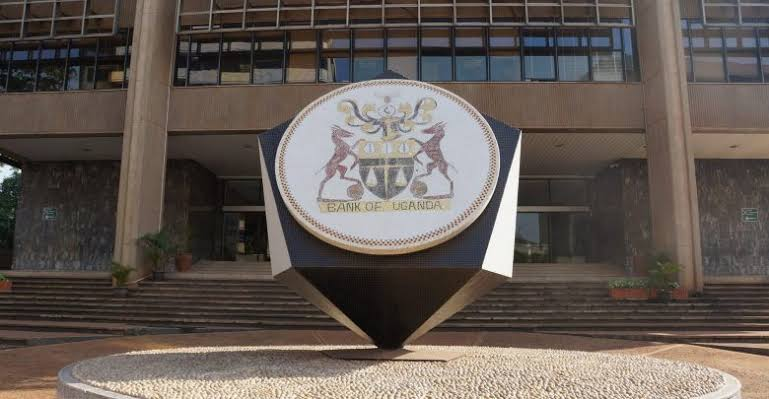
The Bank of Uganda has raised its Central Bank Rate (CBR) from 9.75% to 12%, tightening monetary policy as rising fuel prices and exchange rate pressures threaten to push inflation higher.
The decision followed a special Monetary Policy Committee meeting held on October 14, 2026, according to the central bank’s monetary policy statement released on Wednesday.
The 2.25-percentage-point increase is intended to contain inflationary pressures and safeguard price stability. A higher policy rate generally raises the cost of borrowing, potentially slowing credit growth and spending as the central bank seeks to moderate demand and limit further price increases.
The bank also raised the Cash Reserve Requirement (CRR) from 11% to 13.5%, effective September 24, 2026. The requirement determines the proportion of eligible customer deposits commercial banks must hold as reserves rather than use for lending.
According to the Bank of Uganda, the increase is intended to absorb excess liquidity in the banking system and strengthen the transmission of monetary policy.
The twin measures come amid pressure from higher international fuel prices and movements in the exchange rate, which can raise the domestic cost of imported goods and production inputs.
A weaker shilling makes imports more expensive in local currency, including fuel and other commodities. Businesses facing higher import and transport costs may pass some of those increases on to consumers, putting additional pressure on household budgets.
The rate increase is expected to make borrowing more expensive for households and businesses, although the timing and extent of the impact will depend on how commercial banks adjust their lending rates.
For businesses dependent on bank credit, higher financing costs could affect investment, working capital and expansion plans. Households with variable-rate loans may also face higher repayment costs if lenders pass on the increase.
The policy shift also raises questions about the balance between controlling inflation and sustaining economic growth. While tighter monetary conditions can help contain price pressures, they may also discourage private investment if businesses face persistently higher borrowing costs.
The Central Bank Rate is the benchmark the Bank of Uganda uses to guide short-term interest rates in the financial system. Its adjustments influence lending rates, savings returns and the broader availability of credit. The bank’s stated medium-term target is to keep core inflation at 5%.
The effectiveness of the latest measures will depend partly on developments in global fuel prices, exchange rates and geopolitical tensions, as well as how commercial banks respond to the tighter monetary conditions.
The Bank of Uganda has indicated that its monetary policy decisions are guided by the need to maintain price stability while monitoring risks to the economy.
For borrowers, businesses and consumers, the key question is how quickly the measures will ease inflationary pressures—and how much the higher cost of credit will weigh on economic activity in the meantime.

