




KAMPALA, Uganda — A 65-year-old former crate loader who spent years working for Century Bottling Company (CBC), the local bottling franchise of Coca-Cola products in Uganda, is still fighting to access retirement benefits worth more than UGX 52 million after discovering that his employer allegedly failed to remit mandatory National Social Security Fund (NSSF) contributions deducted from his salary.
David Turyatunguka says he worked for the beverage company for approximately six years, loading crates before a debilitating back condition forced him out of employment in 2022.
According to reports shared by NTV Uganda journalist Sudhir Byaruhanga, Turyatunguka developed the medical condition in 2021, leaving him with a disability that made it impossible for him to continue working. Following his exit from employment, he began pursuing his retirement savings through NSSF, only to encounter unexpected hurdles.
Turyatunguka subsequently lodged a complaint with the National Social Security Fund, triggering investigations into his employment records and contribution history.
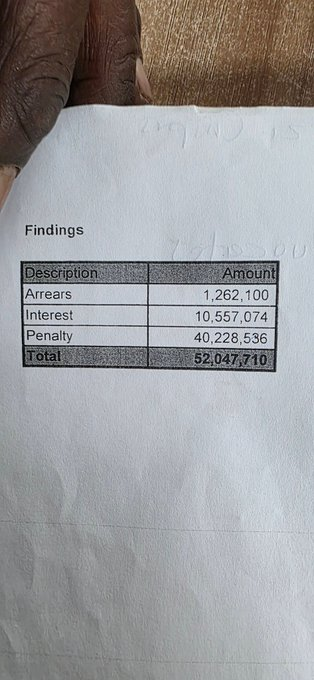
The investigations reportedly revealed that while NSSF contributions had allegedly been deducted from the worker’s wages, the funds were not remitted to the Fund as required by law. As a result, NSSF imposed penalties, interest and arrears on Century Bottling Company, bringing the total amount claimed to approximately UGX 52 million.

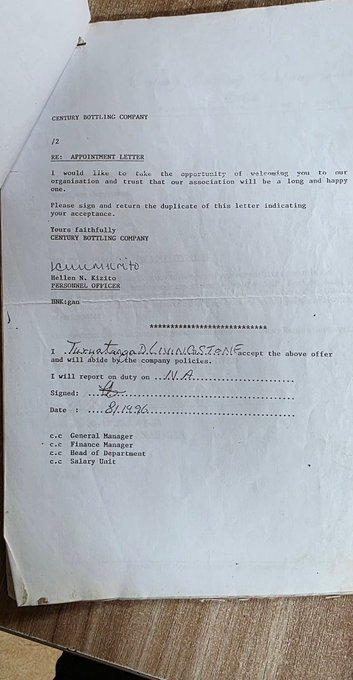
According to Byaruhanga, the amount comprises the worker’s outstanding contributions together with penalties and accumulated interest arising from non-compliance.
However, despite the assessment and penalties, Turyatunguka has reportedly not received the money, with the former employee claiming that the company has not settled the assessed amount.
“Coca-Cola (Century Bottling Company) was not remitting his NSSF contributions despite deducting them from his salary. This informed NSSF’s decision to penalize the beverage company,” Byaruhanga reported on social media.
The case has sparked debate online, with many Ugandans expressing concern about the plight of low-income workers whose retirement savings depend entirely on employer compliance with statutory obligations.
Labour rights advocates note that the NSSF Act requires employers to deduct and remit social security contributions on behalf of eligible employees. Failure to do so can attract penalties, interest charges and legal action by the Fund.

For workers such as Turyatunguka, however, enforcement delays can have severe consequences, especially when retirement or disability leaves them dependent on savings accumulated during their years of employment.
The dispute has also renewed calls for stronger monitoring mechanisms to ensure employers promptly remit workers’ contributions and for quicker resolution of cases involving vulnerable retirees and persons living with disabilities.
Neither Century Bottling Company nor Coca-Cola Beverages Uganda had publicly responded to the allegations at the time of publication.
As he continues to pursue the funds, Turyatunguka’s case highlights the challenges many workers face when mandatory retirement savings fail to reach the accounts where they are meant to provide security in old age.

