



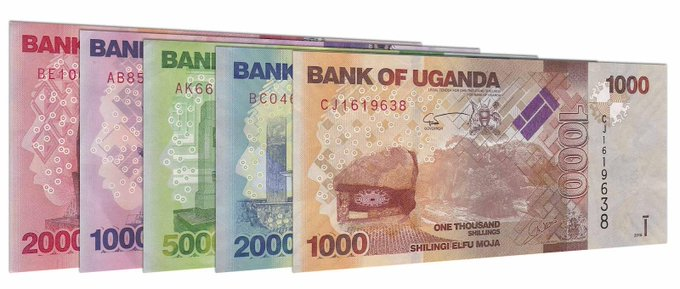
KAMPALA — Uganda’s shilling has fallen beyond the Shs4,000 mark against the US dollar for the first time, extending a sharp depreciation that has intensified pressure on import costs, fuel prices and businesses dependent on foreign currency.
The currency reached an all-time low of about Shs4,025 per dollar on Monday, October 5, before recovering slightly to around Shs4,018, according to market data. Bank of Uganda trading data showed commercial banks quoting the dollar at about Shs4,017.86 for buying and Shs4,027.86 for selling in the afternoon.
The latest decline extends a six-day losing streak and represents a marked reversal from earlier in the year. The shilling traded at an average of about Shs3,604 per dollar in March and around Shs3,730 in August.
Forex dealers and analysts attribute the pressure mainly to increased demand for dollars from importers, manufacturers and energy companies, alongside seasonal demand as businesses prepare for increased imports in the final quarter of the year.
Stephen Kaboyo, a forex expert and managing partner at Alpha Capital Partners, said the currency had come under “immense pressure”, with traders bringing forward dollar purchases ahead of the peak end-of-year trading period.
Higher international oil prices have added to the pressure because Uganda relies heavily on imported petroleum products. Bank of Uganda data for August showed that petroleum companies increased their demand for dollars to finance fuel imports, while manufacturers also sought foreign currency for raw materials, machinery and intermediate goods.
The weakening shilling is occurring alongside elevated pump prices. Petrol at some major stations has risen to nearly Shs7,000 per litre, with prices of about Shs6,899 reported at Total stations and about Shs6,850 at Shell, according to recent market data.
The combination of a weaker shilling and expensive fuel could increase costs across the economy because transporters, manufacturers and other businesses face higher costs for imported fuel and equipment. Those costs can subsequently feed into prices paid by consumers.
Uganda’s external trade position has also added to the pressure. Government data show that the merchandise trade deficit with the rest of the world widened to $597.93 million in June 2026 from $256.43 million a year earlier, after imports increased by 33.2 percent, outpacing an 11 percent rise in export earnings.
In July, merchandise imports rose 25.4 percent year-on-year to $1.61 billion, while exports increased by 10.1 percent to $1.40 billion. The resulting trade deficit stood at $210.03 million.
Coffee, one of Uganda’s major sources of foreign exchange, has also faced production difficulties. The Ministry of Agriculture said prolonged drought and unusually high temperatures in Greater Masaka, Kyotera, Sembabule and other coffee-growing areas had affected flowering, cherry development, bean filling and processing. Coffee output in affected areas was estimated to be about 10 percent below normal.
Coffee export earnings had already fallen sharply in June, declining 36.3 percent year-on-year to $184.43 million, while export volumes fell from 1.01 million 60-kilogramme bags to about 773,000 bags. The government attributed part of the decline in volumes to dry weather conditions affecting coffee crops.
The Bank of Uganda has so far resisted direct intervention to defend a particular exchange-rate level. Governor Michael Atingi-Ego said in September that the central bank’s policy was to smooth excessive volatility rather than maintain a specific exchange rate.
At the time, the governor said the bank had the capacity to stabilise the market but argued that the shilling’s movement had remained sufficiently orderly not to warrant direct intervention.
The latest fall comes amid broader pressure on African currencies as demand for dollars rises and higher global energy prices increase import bills. Uganda’s shilling had already fallen to about Shs3,965–3,975 per dollar on October 1, according to Reuters, before breaking through Shs4,000 on October 5.
For businesses and households, the central question is now how long the currency pressure will persist — and how much of the higher cost of dollars, fuel and imported goods will eventually be passed on to consumers.

