



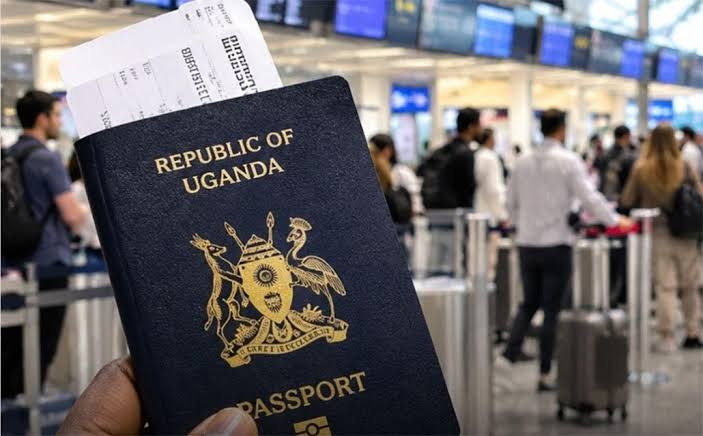
The United Arab Emirates (UAE) has lifted its suspension on issuing new visas to Ugandan nationals, allowing them to resume travel to the Gulf country subject to a mandatory 21-day waiting period outside Uganda.
The decision, announced on Wednesday, November 11, 2026, reverses restrictions introduced in June following concerns over the spread of Ebola in the region.
The UAE’s National Emergency Crisis and Disaster Management Authority (NCEMA), working with the Ministry of Health and Prevention and the Federal Authority for Identity, Citizenship, Customs and Port Security, announced the revised entry requirements.
Under the new arrangement, Ugandans can obtain UAE visas and enter the country provided at least 21 days have elapsed since their departure from Uganda.
The requirement also applies to travellers who have recently visited Uganda and seek to enter the UAE through another country.
The authorities said the revised measures followed assessments of the public health situation and would remain subject to monitoring of emerging health risks.
Certain categories of Ugandan travellers will also be allowed entry under special arrangements, subject to approved health procedures.
These include Ugandan students who enrolled in UAE educational institutions before June 2026, together with their family members; administrative staff at Uganda’s embassy in the UAE holding ordinary passports and their families; and holders of Ugandan diplomatic and special passports.
Humanitarian and medical cases will be considered individually. Ugandans travelling for medical treatment must present approved medical reports indicating their diagnosis, the health facility where they will receive treatment and the scheduled date for beginning treatment.
However, the UAE has maintained its precautionary entry restrictions affecting nationals of the Democratic Republic of Congo (DRC) and South Sudan, citing continued monitoring of the Ebola situation in the two countries.
Uganda’s Ambassador to the UAE, Adonia Ayebare, welcomed the decision, thanking the Emirati government for lifting the restrictions.
In a post on X, Ayebare specifically acknowledged Sheikh Shakhboot Bin Nahyan Al Nahyan, the UAE Minister of State for Foreign Affairs in charge of African Affairs, for his role in securing the decision.
“This is to thank the Friendly Government of United Arab Emirates for lifting Ebola related travel restrictions. I thank my Brother and Friend Sheikh Shakhboot Bin Nahyan Al Nahyan the Minister of State for Foreign Affairs in Charge of Africa for his leadership and assistance,” Ayebare wrote.
The restrictions were introduced on June 6, 2026, when the UAE suspended the issuance of new visas to nationals of Uganda, DRC and South Sudan as part of precautionary measures against the spread of Ebola.
The measures also barred travellers arriving from the three countries from entering the UAE, including those transiting through other countries, unless they had spent more than 21 days outside the affected countries.
Cargo flights between the UAE and the affected countries were allowed to continue.
The latest decision restores access to new UAE visas for Ugandans, although the 21-day requirement means travellers cannot enter immediately after leaving Uganda.
The UAE authorities said they would continue monitoring the epidemiological situation and adjust entry requirements according to emerging developments and public health risk assessments.

