



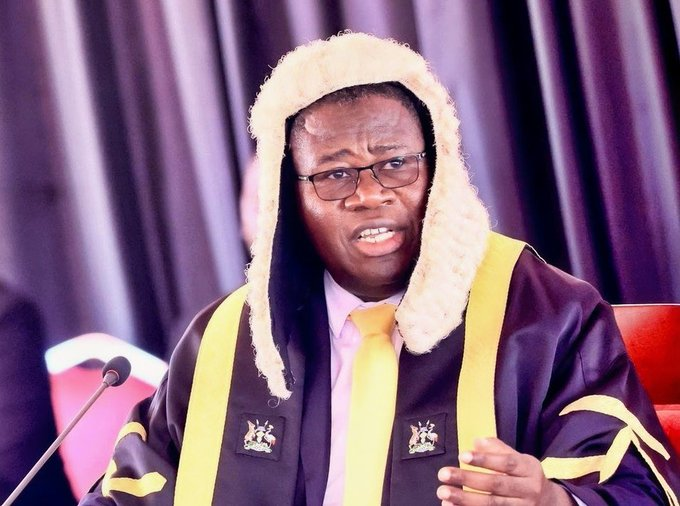
KAMPALA: Speaker of Parliament Jacob Markson Oboth-Oboth has called for renewed reforms in Uganda’s education system to ensure that learners acquire skills that respond to the changing demands of the economy.
Oboth-Oboth’s call comes amid growing concerns over the mismatch between skills produced by Uganda’s education system and those required in the labour market, particularly as the country’s young population continues to expand.
A recent report by the Ministry of Education and Sports estimates that about 700,000 young Ugandans enter working age every year, while as many as 13.5 million young people could be seeking employment by 2030.
The report also highlights gaps in foundational and workplace skills, indicating that only 2% of adolescents demonstrate proficiency in problem-solving, while 6% are proficient in collaboration.
At the same time, an estimated 41% of Ugandans aged 18 to 30 are not in education, employment or training, highlighting the scale of the challenge facing the country as it prepares for a rapidly growing workforce.
The Speaker’s position adds momentum to calls for an education system that places greater emphasis on practical learning, technical and vocational training, digital skills, entrepreneurship and other competencies relevant to the labour market.
Education experts have similarly called for stronger collaboration between training institutions and the private sector to ensure that curricula keep pace with changing workplace requirements.
Such partnerships could also expand opportunities for apprenticeships, internships and other forms of practical training that allow young people to gain workplace experience before entering the labour market.
The skills challenge extends beyond unemployment, with research identifying education and skills mismatches as a significant concern in Uganda’s labour market. Some workers hold qualifications that do not correspond to the skills required in their occupations.
For Parliament, the issue raises broader questions about education financing, curriculum reform, technical and vocational education, digital training and the effectiveness of existing government programmes targeting youth employment.
Oboth-Oboth, who became Speaker of the 12th Parliament in 2026, has pledged to strengthen Parliament’s oversight role and promote accountability in the use of public resources.
As Uganda’s working-age population grows, the pressure to reform the education system is expected to intensify.
The challenge, therefore, is no longer simply to get more young people into classrooms, but to ensure they leave with practical, technical, digital and problem-solving skills that enable them to secure employment, start enterprises and contribute meaningfully to Uganda’s economic transformation.

