



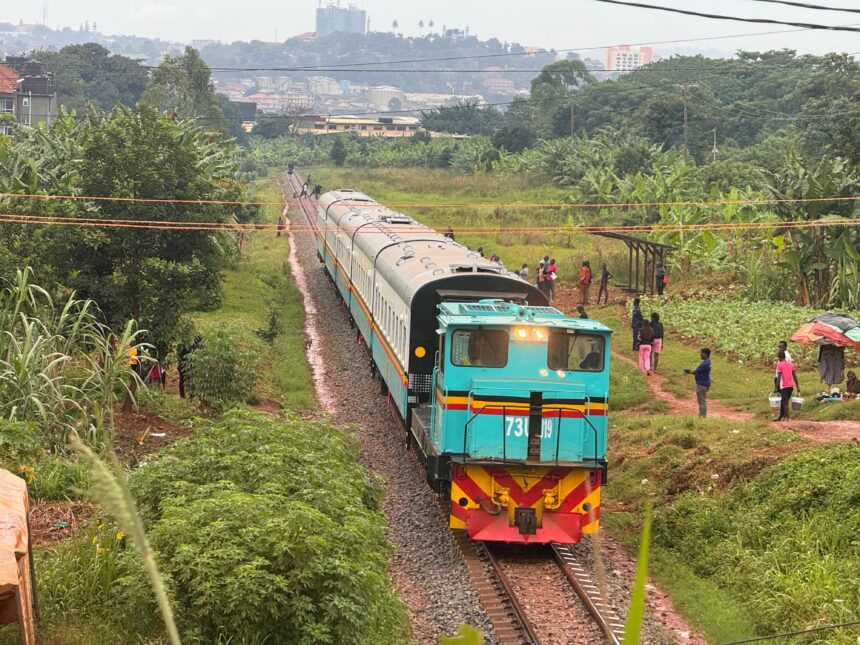
KAMPALA — Uganda’s obligation to pay Shs522 billion following an international arbitration ruling over a failed railway concession has renewed scrutiny over how the country structures and manages public-private partnerships (PPPs) in the infrastructure sector.
The ruling, issued in London, stems from the termination of the Rift Valley Railways concession, with arbitrators finding that Uganda did not fully meet its contractual obligations when it exited the agreement — resulting in a costly compensation award.
Ambitious project that unraveled
The concession, awarded in 2005, was designed to rehabilitate and modernise the Kenya–Uganda railway corridor, easing pressure on road transport by shifting cargo to rail.
However, the partnership between the government and the private operator deteriorated over time amid disputes over investment levels, infrastructure conditions, and performance targets. By 2017, the Uganda Railways Corporation terminated the agreement, triggering arbitration proceedings that have now culminated in the hefty payout.
Accountability concerns resurface
The outcome has sparked renewed debate among policy analysts and civil society actors, many of whom say the case highlights broader governance challenges in managing large-scale infrastructure deals.
A transport policy expert noted that while PPPs are essential for financing major projects, weaknesses in contract enforcement and unrealistic expectations often expose governments to financial risk.
“When disputes escalate, governments can end up paying heavily if contracts are not well structured or managed from the start,” the analyst said.
Others argue that responsibility for the failed concession lies on both sides, citing operational inefficiencies, underinvestment, and unclear benchmarks during implementation.
Fiscal pressure mounts
The Shs522 billion award comes at a time when Uganda is already investing heavily in infrastructure development, including railway modernisation and road expansion projects.
Economists warn that such arbitration costs could strain public finances and divert resources from priority sectors such as health, education, and transport services.
Lessons for future deals
The case is increasingly being viewed as a cautionary example for future PPP arrangements, particularly those involving complex, long-term investments and cross-border coordination.
Experts say Uganda will need to strengthen contract design, legal oversight, and negotiation capacity to avoid similar disputes in the future.
Government response awaited
By press time, the government had not issued a detailed public statement on the ruling. However, sources indicate that internal consultations are ongoing to determine how the country will comply with the award and manage its financial implications.
The arbitration decision leaves Uganda facing not only a significant financial obligation but also renewed pressure to reform how major infrastructure partnerships are negotiated, implemented, and concluded.

