



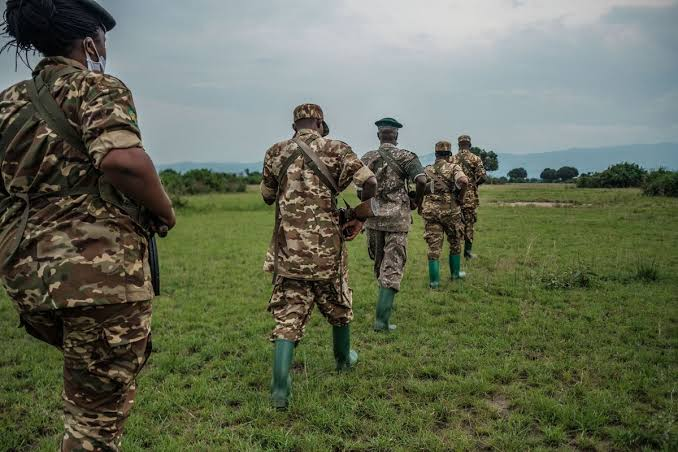
The Committee on Tourism, Trade and Industry has called for an independent inquiry into allegations of extrajudicial killings and disappearances involving Uganda Wildlife Authority (UWA) rangers operating around national parks.
The call was made by the Committee Deputy Chairperson, Hon. Patrick Aeku while presenting the committee’s report on persistent incidents of human wildlife conflict and interventions to mitigate such incidents within and outside national parks.
Aeku presented the report during the sitting of the House on Tuesday, 13 October 2026 chaired by Speaker Jacob Marksons Oboth.
The report urged the Uganda Human Rights Commission and Uganda Police Force to investigate allegations inh Nwoya, Buliisa and Kasese districts and present the findings within six months.
According to the report, game rangers allegedly used force against people found or suspected to be inside national parks without authorisation. They also alleged that bodies of some victims were never returned to their families.
“A community member cited the Koyo Clan of Purongo Sub-county, Nwoya District as having lost 11 members over three years in park-related incidents with bodies allegedly not recovered,” said Aeku.
Aeku said that UWA however, attributed deaths inside national parks mainly to confrontations between armed poachers and rangers, although the committee could not independently verify the allegations.
“The committee is mindful that rangers operate in dangerous conditions. It is nonetheless concerned that the allegations are persistent, specific and widely held,” he said adding that, ‘that unresolved suspicion of this kind poisons relations between UWA and communities and undermines cooperation in reporting human-wildlife conflict incidents’
Out of the 65 committee’s recommendations for mitigation, is the call for government to fence Lake Mburo, Murchison Falls, Queen Elizabeth and Kidepo Valley National Parks.
The committee also recommended scaling up beehive fences, maintaining trenches, constructing more crocodile-exclusion enclosures and using animal-tracking information to alert communities.
The Vice President, H.E. Jessica Alupo pledged government’s support to address the issues raised, noting that tourism and wildlife conservation benefit the entire country.
“The benefits from conservation of protected areas and game parks return to all the people of Uganda. There are immediate interventions we can take on although compensation can be studied later,” Alupo said.

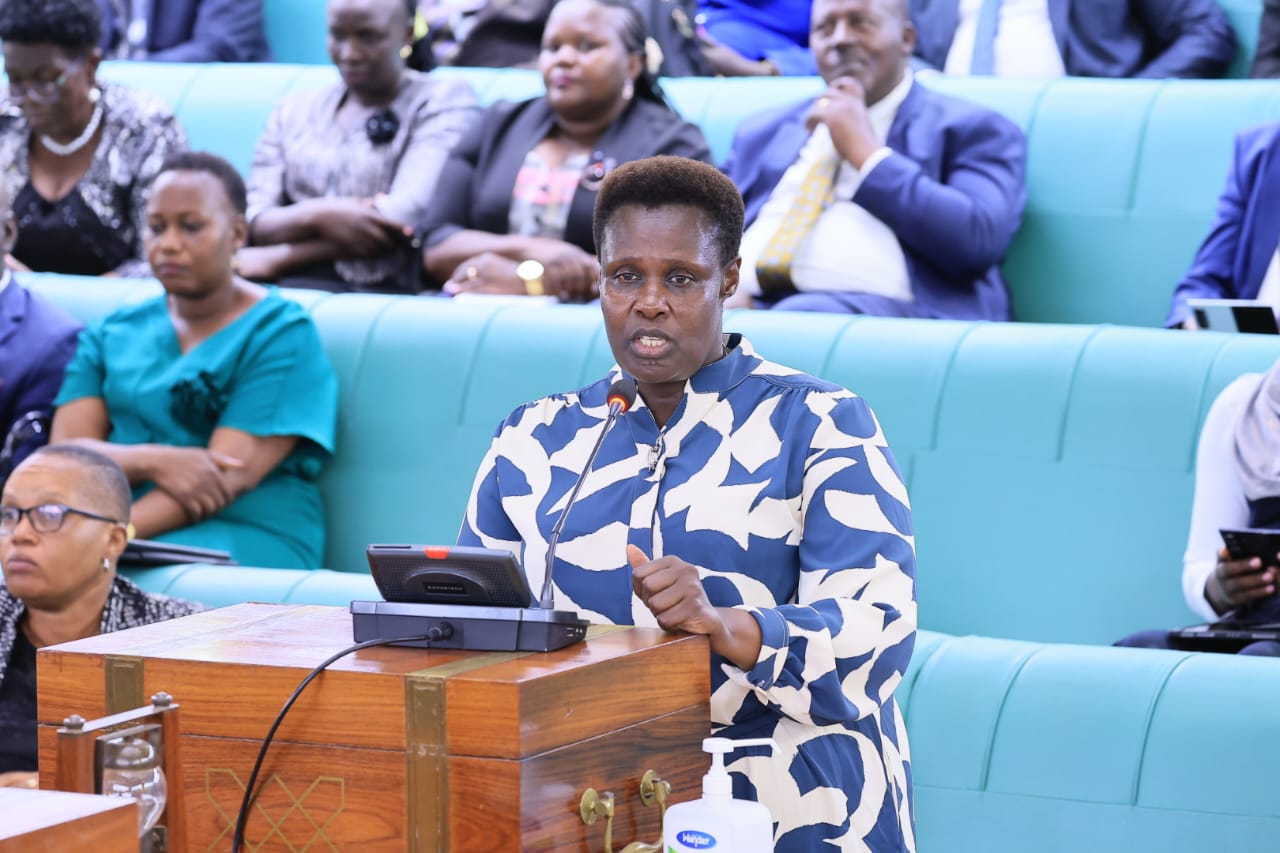
She called for sensitisation of communities around national parks so that residents understand preventive measures and take personal responsibility for their safety.
MPs decried the loss of lives, property and crops saying persistent wildlife attacks have worsened food insecurity among surrounding communities.
Kyenjojo District Woman MP, Hon. Spellanza Baguma narrated how a lion attacked residents in their homes, leaving some permanently maimed.
“Besides the lives lost, gardens have been damaged and elephants graze in people’s gardens. I pray that Kyenjojo will be considered for electric fencing,” Baguma said.
Hon. John Bosco Kariisa (NRM, Buhweju West) accused UWA of showing little concern for victims after recovering animals that escape from protected areas.
“There is a forest that stretches from Mitooma to Rubirizi District. It is an escape route for animals from Queen Elizabeth National Park. UWA comes only to collect the animals; they do not take care of the victims attacked by those animals saying it is not their jurisdiction,” Kalisa said.
The State Minister for Tourism, Wildlife and Antiquities, Hon. Susan Nakawuki said that government has so far fenced about 5,000KM and urged Parliament to support efforts to raise funds for fencing.
Nakawuki added that although UWA faces criticism, its rangers have also been killed or injured by poachers.
“More than 1,000 rangers have been killed, many maimed and others are traumatised,” Nakawuki said.

