


KAMPALA — The government is moving to tighten road safety measures around schools, including wider use of speed cameras, specialised requirements for drivers transporting learners and stricter vehicle inspections, following a series of fatal road crashes.
The measures were discussed on Thursday during a road safety workshop organised by Intelligent Transport Monitoring System (ITMS) Uganda in partnership with the Ministry of Works and Transport, Uganda Professional Drivers’ Network, Traffic Police Directorate and other stakeholders.
Held under the theme “Safe Tours for a Safe Future: Making School Travel Safe Again,” the workshop focused on measures to reduce risks faced by learners while travelling to and from school.
Winston Katushabe, Commissioner for Transport Regulation and Safety and Chief Licensing Officer of Motor Vehicles at the Ministry of Works and Transport, said operators involved in school transport should be held to higher safety standards.
He said drivers transporting learners should undergo specialised certification and defensive driving training and be subjected to regular background checks.
Katushabe identified speeding, reckless overtaking, distracted driving, unqualified drivers, overcrowding and unroadworthy vehicles among the major risks to schoolchildren.
He also called for improved infrastructure around schools, including designated pick-up and drop-off points, pedestrian crossings and speed humps.
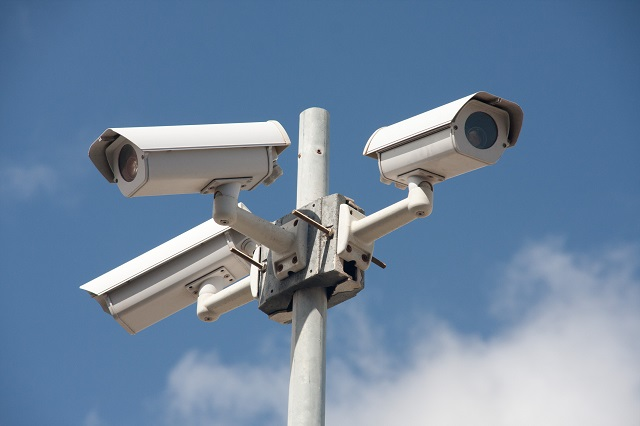
Authorities want the existing 30km/h speed limit in school zones to be enforced more consistently, using speed cameras and Automatic Number Plate Recognition (ANPR) technology.
“Unroadworthy vehicles, overcrowding, and the lack of basic safety features continue to put school children at risk on Uganda’s roads. Safer school transport can no longer wait,” Katushabe said.
The renewed push for tighter controls follows concerns over Uganda’s road safety record and the fatal July crash in Kapchorwa involving a vehicle belonging to King David Junior School.
The crash killed 20 pupils and one adult and left others injured.
Police subsequently conducted operations targeting school vehicles suspected of overloading and violating road safety regulations.
The Ministry of Education and Sports has also reminded schools to comply with existing safety requirements under the Basic Requirements and Minimum Standards for Educational Institutions.
Ministry spokesperson Denis Mugimba said school vehicles are required to have valid Private Motor Omnibus (PMO) licences and Inspection of Vehicles (IOV) certification, remain roadworthy and be operated by drivers holding appropriate permits.
The suspension of school study trips and educational tours remains in force as authorities continue consultations on additional safety measures.
Traffic Police spokesperson Michael Kananura said police would strengthen enforcement against speeding, overloading and route violations while increasing the use of the Express Penalty System.
Steven Turyarugayo, an ITMS representative, said artificial intelligence-enabled features within the enforcement system could help authorities identify and monitor vehicles and improve accountability among road users.
However, stakeholders cautioned that technology and enforcement alone would not eliminate risks to schoolchildren.
They called for greater responsibility from schools, parents, drivers and transport operators, saying safer school travel requires competent drivers, roadworthy vehicles, effective enforcement and infrastructure designed with children’s safety in mind.

