



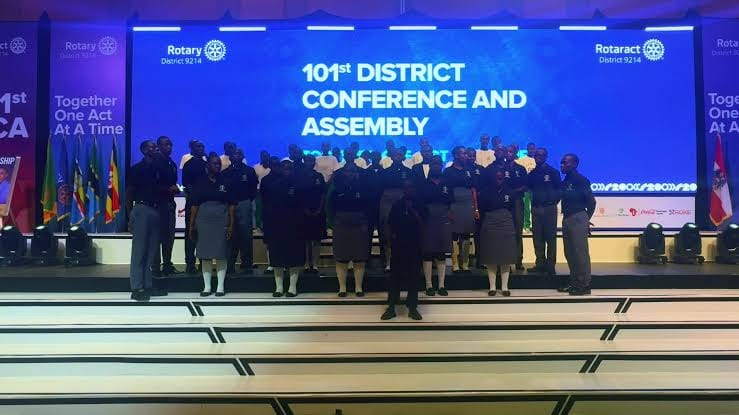
Young Ugandan activist and media entrepreneur Nyanzi Martin Luther has called for the establishment of Interact Clubs in schools across the country, saying students need practical leadership experience alongside classroom learning to prepare them for future roles in public service and community leadership.
Speaking during a youth event at Speke Resort Munyonyo on Saturday, the secondary school student argued that Uganda’s education system should place greater emphasis on developing leadership, teamwork and volunteerism from an early age.
“Most schools have failed to produce successful politicians,” Nyanzi said. “I learnt about Interact Clubs and realised they can help students develop leadership skills, especially those who hope to serve their communities or take up leadership positions in the future.”
He said schools should create more opportunities for students to lead projects, work together to solve community challenges and develop a sense of responsibility beyond academic performance.
Nyanzi cited King’s College Budo and Buddo Secondary School as examples of institutions that have produced many distinguished leaders over the years, saying leadership development should become a deliberate part of school life.
“I think Interact Clubs are important in schools,” he said.
Interact Clubs are Rotary International’s youth service programme for young people aged between 12 and 18. Sponsored by local Rotary clubs, they are largely managed by students themselves, who elect their own leaders, organise community service activities and develop skills in communication, teamwork, project planning and public speaking.
According to Nyanzi, one of the programme’s greatest strengths is that schools are not expected to finance the clubs.
“They are not even funded by the school. We just need the idea and the willingness to start one. I think it is important that every school considers establishing an Interact Club,” he said.
He added that because the clubs are student-led, members gain practical experience in leadership, accountability and decision-making while still in school.
“This will improve their skills too,” he said.

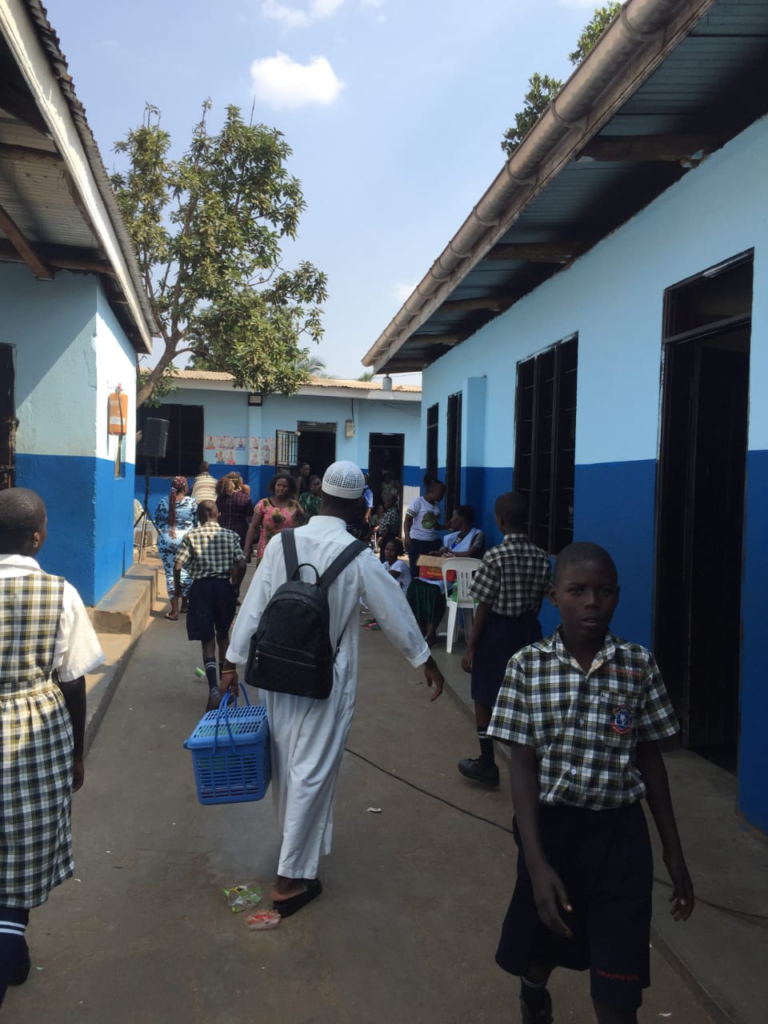
Nyanzi also stressed the importance of volunteerism, describing community service as an essential foundation for responsible leadership.
“Service teaches discipline, responsibility and commitment. When young people volunteer to help others, they develop values that remain with them throughout their lives,” he said.
His remarks come as education stakeholders continue to debate whether Uganda’s education system adequately prepares learners for life beyond the classroom. While academic achievement remains central to education, many educators argue that leadership, civic responsibility and practical life skills should receive equal attention.
Across Uganda, many schools already host clubs focusing on debate, journalism, wildlife conservation, scouting and other extracurricular activities. However, supporters of Interact Clubs say expanding the programme would give more students opportunities to serve their communities while building confidence, leadership abilities and organisational skills.
Nyanzi urged head teachers, parents, education authorities and local Rotary clubs to work together to establish more Interact Clubs across the country, arguing that the initiative requires minimal financial investment but offers lasting benefits for students and society.
With Uganda’s youthful population continuing to grow, he said empowering students through service and leadership programmes today would help build a generation of ethical, confident and community-minded leaders ready to contribute to the country’s future.

