



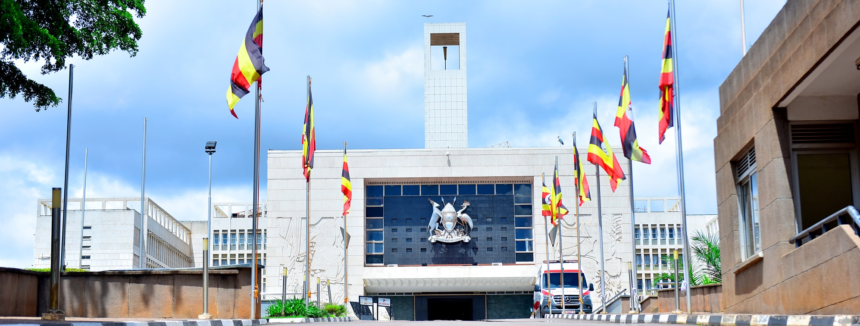
KAMPALA, Uganda — Uganda’s widening investigation into alleged financial misconduct within Parliament has entered a new phase, with investigators reportedly relying on insider testimony after some individuals initially under scrutiny were reclassified as state witnesses.
The move marks a significant shift in the prosecution’s strategy as authorities seek to unravel an alleged network of corruption involving parliamentary financial operations, including claims of embezzlement, abuse of office, and the mismanagement of public funds.
Sources familiar with the investigation say several Parliament staff members have been extensively interrogated as investigators piece together how billions of shillings in parliamentary funds were allegedly processed, approved and disbursed through internal financial systems.
According to the sources, prosecutors opted to treat some of the individuals as cooperating witnesses following lengthy interviews, a review of payment records and approval documents, and what investigators described as early cooperation from officials directly involved in processing the transactions under investigation.
Authorities believe the testimony of these insiders could prove crucial in establishing the chain of authorization, identifying who initiated, approved and executed the disputed payments, as well as determining who ultimately benefited from the transactions.
The investigation is examining whether established financial controls and procurement procedures were deliberately bypassed or manipulated to facilitate irregular payments involving parliamentary expenditure.
Legal analysts note that converting suspects into state witnesses is a common prosecutorial approach in complex financial crime cases. The strategy enables investigators to obtain first-hand accounts that can help build cases against individuals believed to have played more senior or supervisory roles in the alleged scheme.
However, legal experts caution that witness testimony alone is unlikely to secure convictions unless it is supported by independent evidence such as bank records, electronic communications, procurement files, payment vouchers and other documentary material.
The development has also sparked debate over accountability within public institutions, as cooperating witnesses may, under Uganda’s legal framework, receive reduced charges or other prosecutorial considerations in exchange for credible evidence that advances the broader investigation.
Investigators are expected to intensify efforts to determine whether the evidence provided by cooperating officials is sufficient to implicate higher-ranking decision-makers allegedly connected to the disputed transactions.
Authorities have maintained that the investigation remains active and that anyone found to have participated in the alleged misuse of public funds will be subjected to due process as the case progresses through the Anti-Corruption Court. At the same time, they emphasize that all allegations remain subject to proof in court, and those implicated are presumed innocent unless and until proven guilty.

