



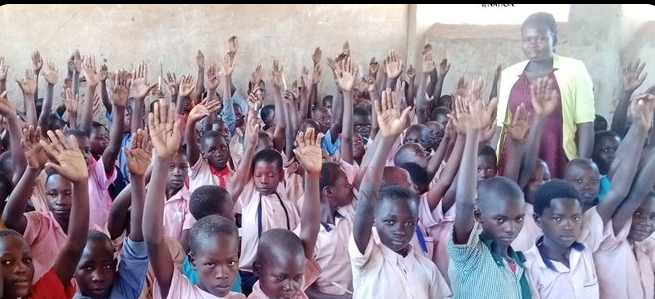
LIRA CITY, Uganda — Hunger is emerging as a major threat to education in northern Uganda, with hundreds of pupils in Lira City and neighbouring districts increasingly missing classes as families struggle to provide meals during the school day.
Education officials, teachers and school administrators warn that a growing school feeding crisis is driving absenteeism, reducing classroom concentration and undermining academic performance, particularly in government-aided primary schools under the Universal Primary Education (UPE) programme.
Many pupils reportedly spend entire school days without food, forcing some to leave school before lessons end in search of something to eat. Teachers say the problem is most visible during afternoon sessions when hunger leaves learners exhausted, distracted and unable to participate effectively in class.
“We are seeing children who cannot concentrate because they have not eaten anything since morning,” one school administrator observed. “By afternoon, some are too weak to follow lessons while others simply leave school.”
The crisis is being fueled by rising economic hardships affecting many households across the Lango sub-region. Despite government encouragement for parents to support school feeding programmes, many families are unable to provide packed lunches or contribute to school meal arrangements.
Education stakeholders say the situation is particularly severe among vulnerable children from low-income households, many of whom attend school on empty stomachs. Teachers report that hunger is increasingly affecting pupils’ ability to read, write and engage in classroom activities, threatening learning outcomes and overall academic achievement.
Local leaders fear the consequences could extend beyond poor performance. They warn that prolonged hunger may contribute to increased dropout rates as children lose interest in attending school or are forced to prioritize basic survival needs over education.
Although enrolment levels under UPE remain relatively high, education officials say retaining learners in school throughout the day has become a growing challenge.
The problem highlights broader socio-economic difficulties that continue to affect northern Uganda years after conflict disrupted livelihoods, agricultural production and social services across the region. Community leaders note that many families are still struggling to rebuild stable sources of income, making school feeding contributions difficult to sustain.
Education experts emphasize that school meals are more than a welfare intervention; they are a critical tool for improving attendance, retention and learning outcomes. Schools with organized feeding programmes often record higher attendance rates, better concentration levels and improved academic performance compared to those without meal provisions.
The worsening situation has prompted renewed calls for stronger collaboration between government, parents, local authorities and development partners to address food insecurity in schools.
Stakeholders argue that urgent intervention is needed to prevent hunger from reversing gains made in expanding access to primary education. They are also renewing calls for a more structured national school feeding policy, particularly in vulnerable regions where poverty continues to undermine children’s ability to fully benefit from education.
As the crisis deepens, education leaders warn that ensuring children have food at school may be just as important as providing classrooms, teachers and learning materials if Uganda is to achieve meaningful improvements in educational outcomes.

