



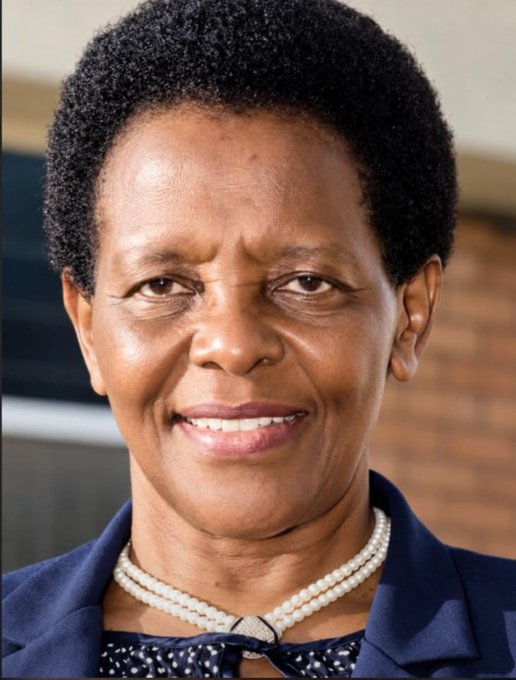
Uganda is mourning the death of Mrs Edna Kentaro Kaisho Baryaruha, a pioneering gender advocate who played a key role in shaping the country’s early policies and programmes on women’s rights.
News of her death was announced by Henry K. Tumukunde, who described Baryaruha as a distinguished advocate for women’s rights and a pioneering figure in Uganda’s Ministry of Gender.
Baryaruha served as the first Director of Gender, at a time when the portfolio was housed under the then Ministry of Development. In that role, she helped develop policies and programmes aimed at recognising and strengthening the contribution of women to Uganda’s social and economic development.
“We are saddened by the passing of Mrs Edna Kentaro Kaisho Baryaruha, a distinguished advocate for women’s rights and a pioneering pillar of Uganda’s Ministry of Gender,” Tumukunde said.
He credited her with helping to establish the foundations for government programmes that advanced women’s participation in national development.
Baryaruha also had a personal connection to President Yoweri Museveni, having served as a teacher alongside him during the early years of his career.
Her life was also marked by Uganda’s turbulent political history.
According to Tumukunde, Baryaruha and her husband, the late Hon. Azarias Ndiira Baryaruha, a former Minister of Industry and businessman, endured political persecution that forced their family into exile on two separate occasions.
The couple later returned to Uganda, where they continued contributing to the country’s development.
Azarias Baryaruha served in government as Minister of Industry and was also recognised as an entrepreneur.
Tumukunde described Edna Baryaruha’s life as one of service, particularly to women and to the country’s broader development.
“May her soul rest in eternal peace, and may God comfort the Baryaruha family, her friends, and all who were touched by her remarkable life,” he said.
Her death marks the passing of one of the early figures in Uganda’s institutional gender movement—a generation that helped move women’s concerns from the margins of government policy into the machinery of the state.