



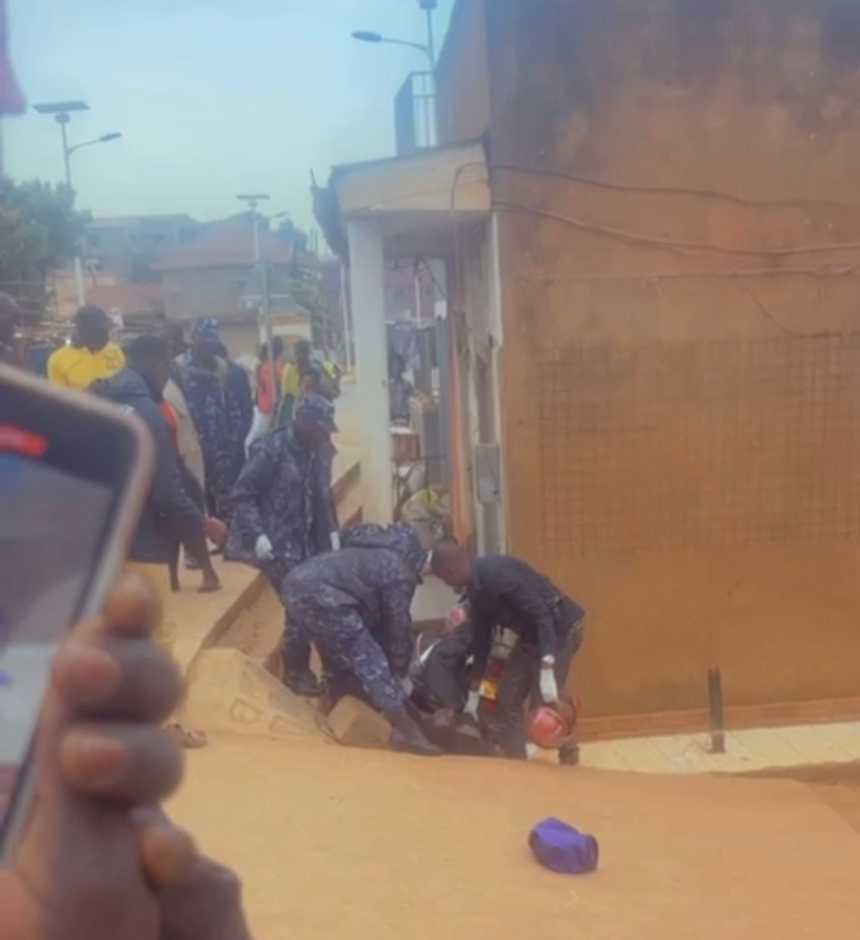
KAMPALA — Uganda’s second National Cleaning Day was marred by the fatal shooting of a 38-year-old boda boda rider in Ndejje Kanaaba, Kampala, after police deployed to enforce movement restrictions during the three-hour exercise.
The Uganda Police Force said the shooting occurred at about 7:30 a.m. on Saturday, August 29, within Katwe Police Division, where officers from Ndejje Police Station had been deployed to provide security during the community cleaning exercise.
The deceased was identified through his National Identification Card as Kizito Ronald Jjuuko, 38.
Police said preliminary information indicated that Jjuuko attempted to force his way through a secured area while riding his motorcycle. In circumstances that remain under investigation, Police Constable Allan Okello, attached to Ndejje Police Station, allegedly shot him.
Okello has since been arrested.
“The officer has been arrested, and investigations are underway to establish the circumstances under which he discharged his firearm, resulting in the death of the rider,” the Uganda Police Force said.
The police said it would investigate whether the officer’s use of the firearm complied with the law and established operational procedures.
“Any use of force must be lawful, necessary, proportionate, and strictly guided by the law, established police operational procedures, and the prevailing circumstances,” the force said.
Police also expressed condolences to Jjuuko’s family, relatives and friends.
The shooting has cast a shadow over a government campaign designed to promote civic responsibility, sanitation and public health.
Cleaning exercise becomes a security operation
The National Cleaning Day was introduced by the government as a monthly exercise to improve sanitation, clear waste and drainage channels and encourage Ugandans to take responsibility for their surroundings.
The government designated the last Saturday of every month as National Cleaning Day, with the cleaning activities scheduled between 7 a.m. and 10 a.m.
During those hours, unnecessary movement was restricted, with exemptions for essential and emergency services and other authorised travellers.
The government has defended the restrictions as necessary to ensure participation in the exercise.
The second cleaning day was launched in Kyaliwajjala, Kira Municipality, where Third Deputy Prime Minister Rukia Nakadama led activities alongside Vice President Jessica Alupo, Prime Minister Robinah Nabbanja and other government officials.
Nabbanja also donated a tuk-tuk to Kira Municipality to support garbage collection.
But in Ndejje, what was supposed to be a morning of sweeping roads and clearing public spaces ended with a death.
Witnesses told Uganda Radio Network that Jjuuko was riding towards his home when he encountered police officers enforcing the movement restrictions. They said he attempted to flee after being stopped and was subsequently shot.
The Independent, citing witnesses, reported that Jjuuko was stopped by officers as he rode through the area and attempted to flee. One resident, Hassan Ssezi, said officers had positioned themselves around a corner and that Jjuuko appeared not to have seen them until he had passed their position.
The precise circumstances leading to the shooting, however, remain unclear and are now the subject of the police investigation.
Mandatory cleaning and questions over enforcement
The incident has also revived questions about the government’s decision to make participation in National Cleaning Day mandatory and to restrict movement during the exercise.
When the programme was announced in July, Prime Minister Nabbanja said all Ugandans and other residents were expected to participate in organised cleaning activities within their communities.
“During this period, all Ugandans are expected to participate in organised community cleaning activities within their neighbourhoods,” Nabbanja said.
The government has described the initiative as a public health and environmental campaign. The Ministry of Health said poor sanitation contributes to preventable diseases and that the programme was intended to improve sanitation, prevent disease outbreaks and protect the environment.
But the decision to combine a civic sanitation campaign with restrictions on movement has generated debate about how far the state should go in compelling citizens to participate.
The first National Cleaning Day, held in July, largely produced images of government officials and ordinary citizens sweeping streets, clearing drainage channels and collecting garbage. The government described the response as successful.
The second exercise was organised after authorities acknowledged serious logistical problems with the first.
Prime Minister Nabbanja said the first exercise generated far more garbage than anticipated, with Kampala alone producing an estimated 40,000 tonnes compared with the government’s initial expectation of about 2,500 tonnes. The waste was left in piles along some roads for days and, in some cases, weeks.
For the August exercise, authorities established designated collection points and mobilised additional trucks, including vehicles from local governments and private waste management companies.
Police face scrutiny
The fatal shooting now places the conduct of security personnel at the centre of a campaign that was intended to be about sanitation.
The Uganda Police Force itself has stressed that maintaining public order does not give officers unrestricted authority to use firearms.
Its statement makes clear that force must meet tests of legality, necessity and proportionality.
Those principles will now be tested by the investigation into why a firearm was discharged during an enforcement operation involving a boda boda rider.
The force has not yet publicly established whether Jjuuko posed a threat to the officer or to other people at the scene, nor has it explained what immediately preceded the shooting.
Those are among the questions investigators will have to answer.
For now, a campaign that asks Ugandans to clean their country has been forced to confront a darker question: what happens when enforcement of civic responsibility itself becomes a threat to the citizens it is supposed to serve?
The answer will depend on whether the investigation into Jjuuko’s death establishes not only who pulled the trigger, but whether the use of lethal force was lawful, necessary and proportionate.

